Featured — Page 85
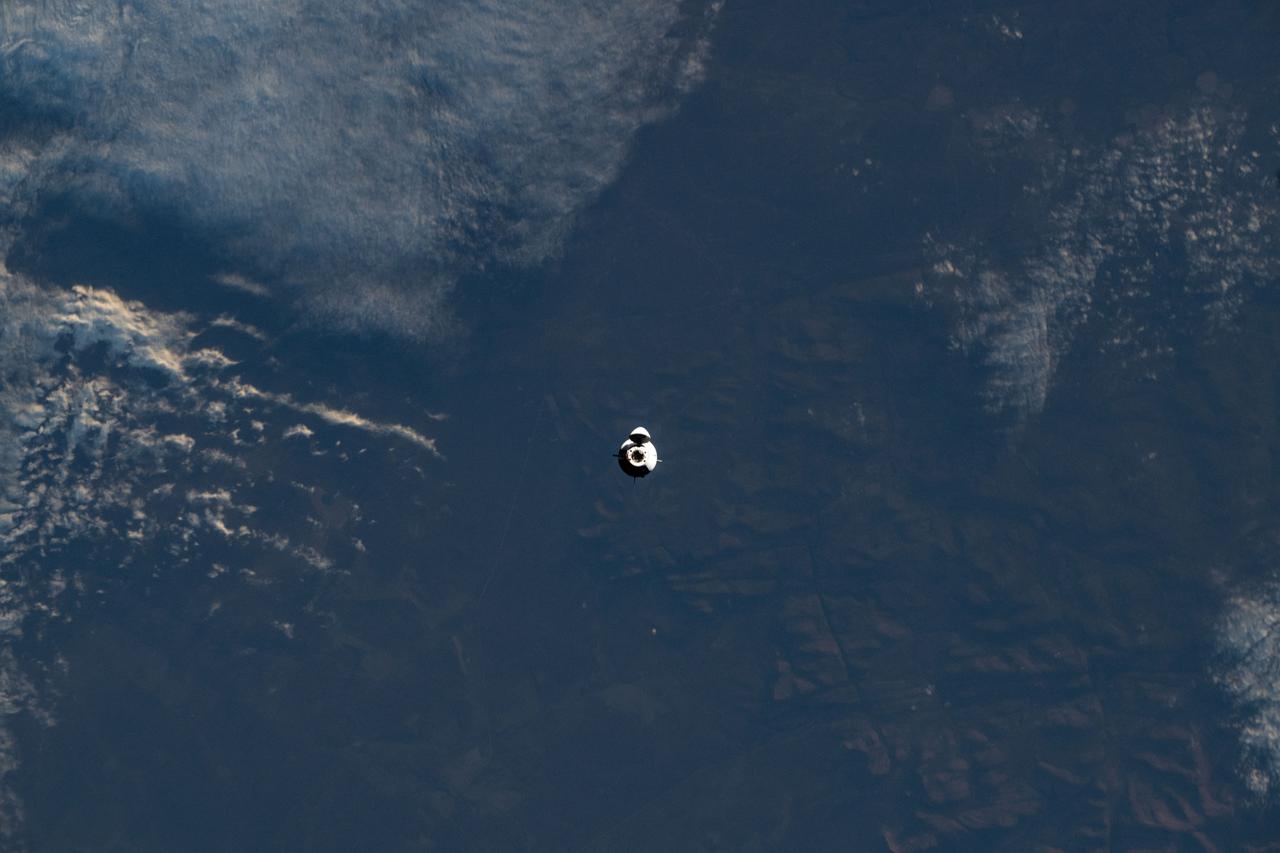
The SpaceX Dragon spacecraft approaches the International Space Station
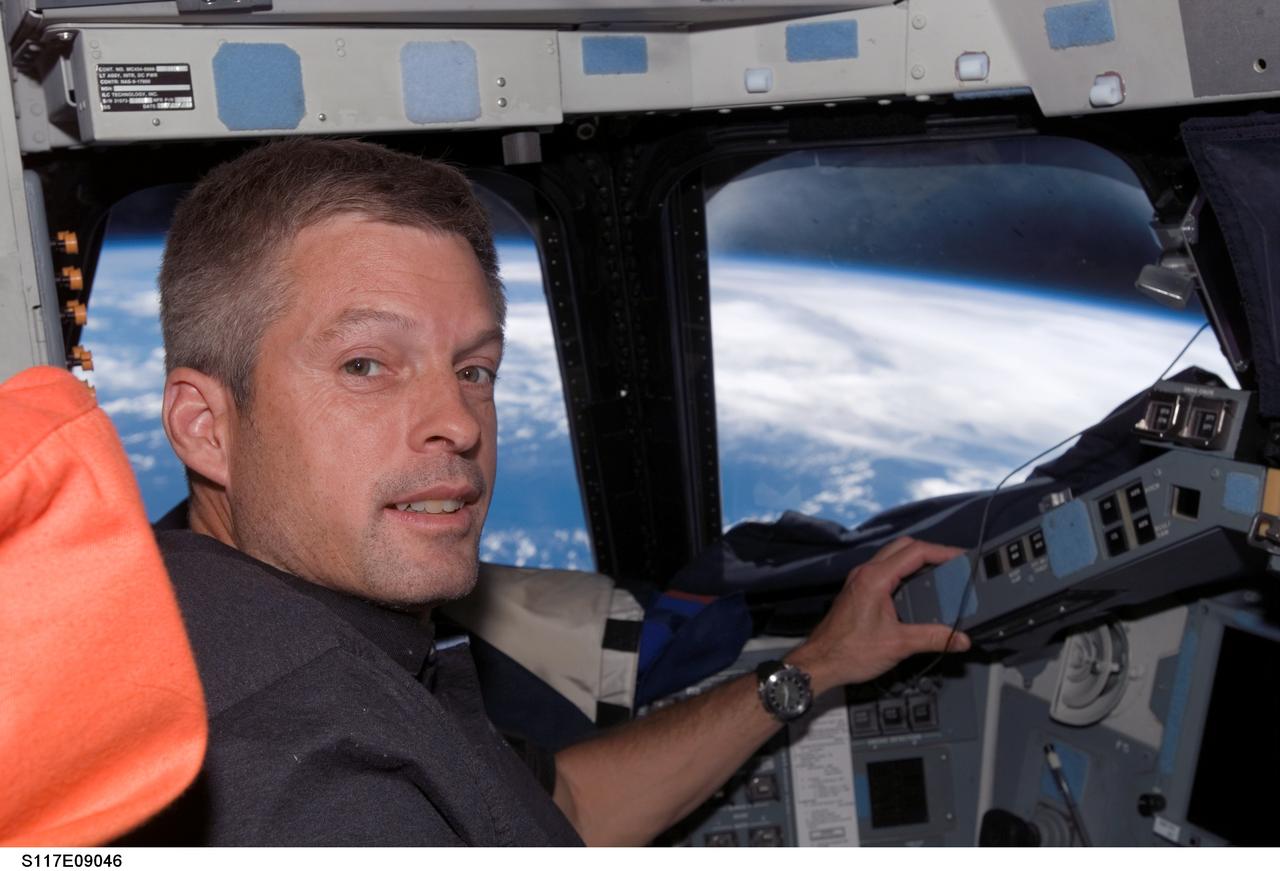
Swanson on the FD on STS-117 Space Shuttle Atlantis
Open
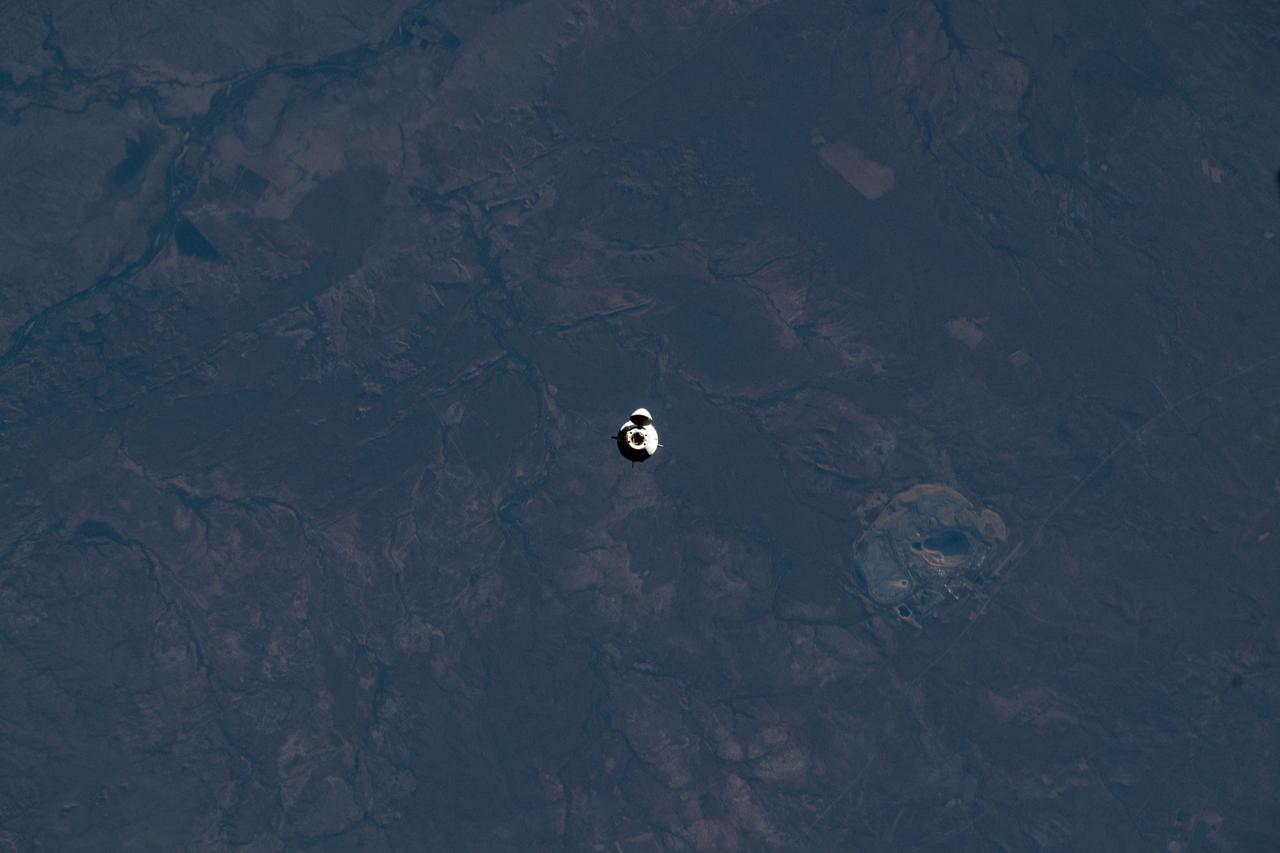
The SpaceX Dragon spacecraft approaches the International Space Station
Open
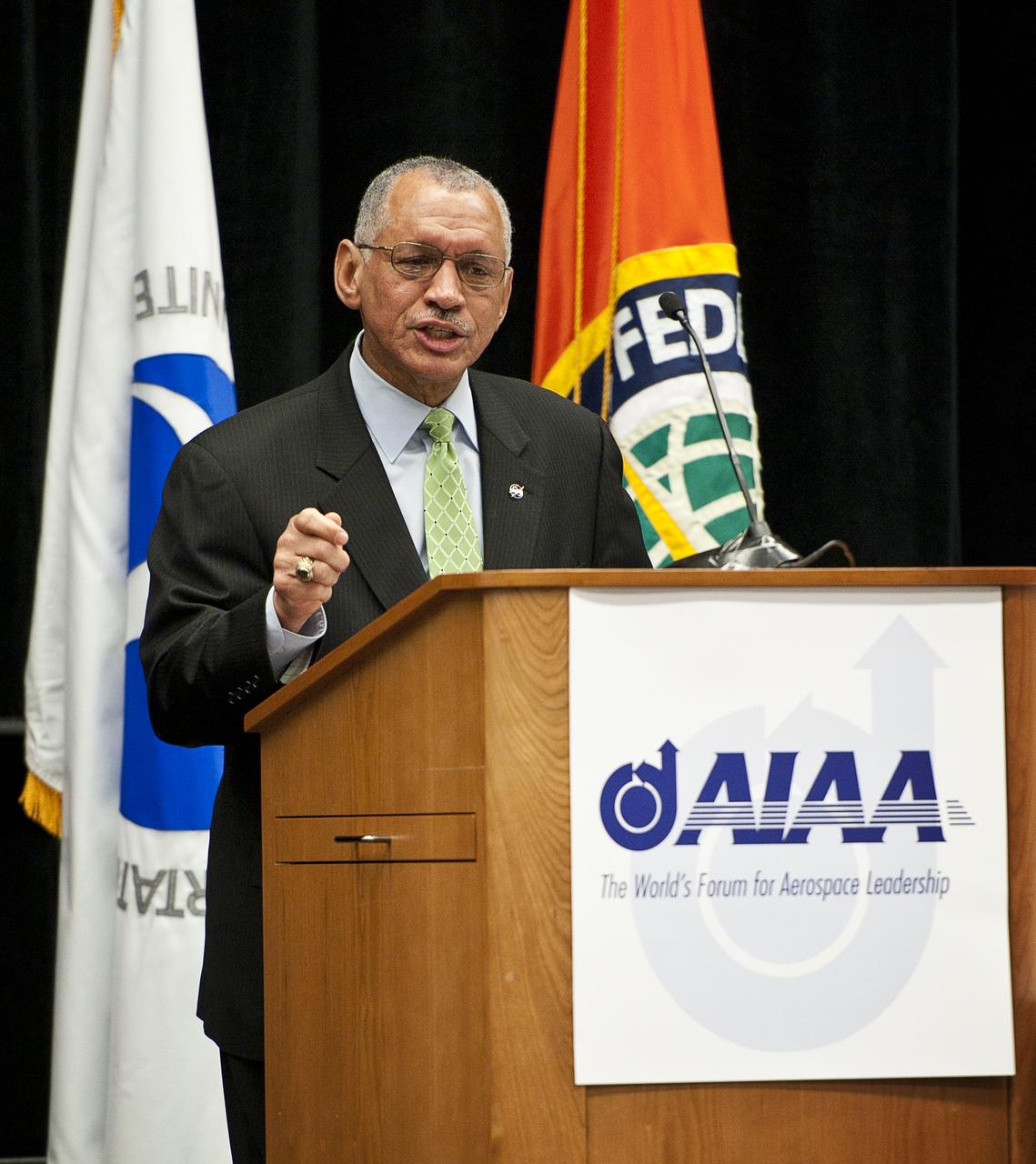
Bolden at FAA Commercial Space Transportation Conference
Open
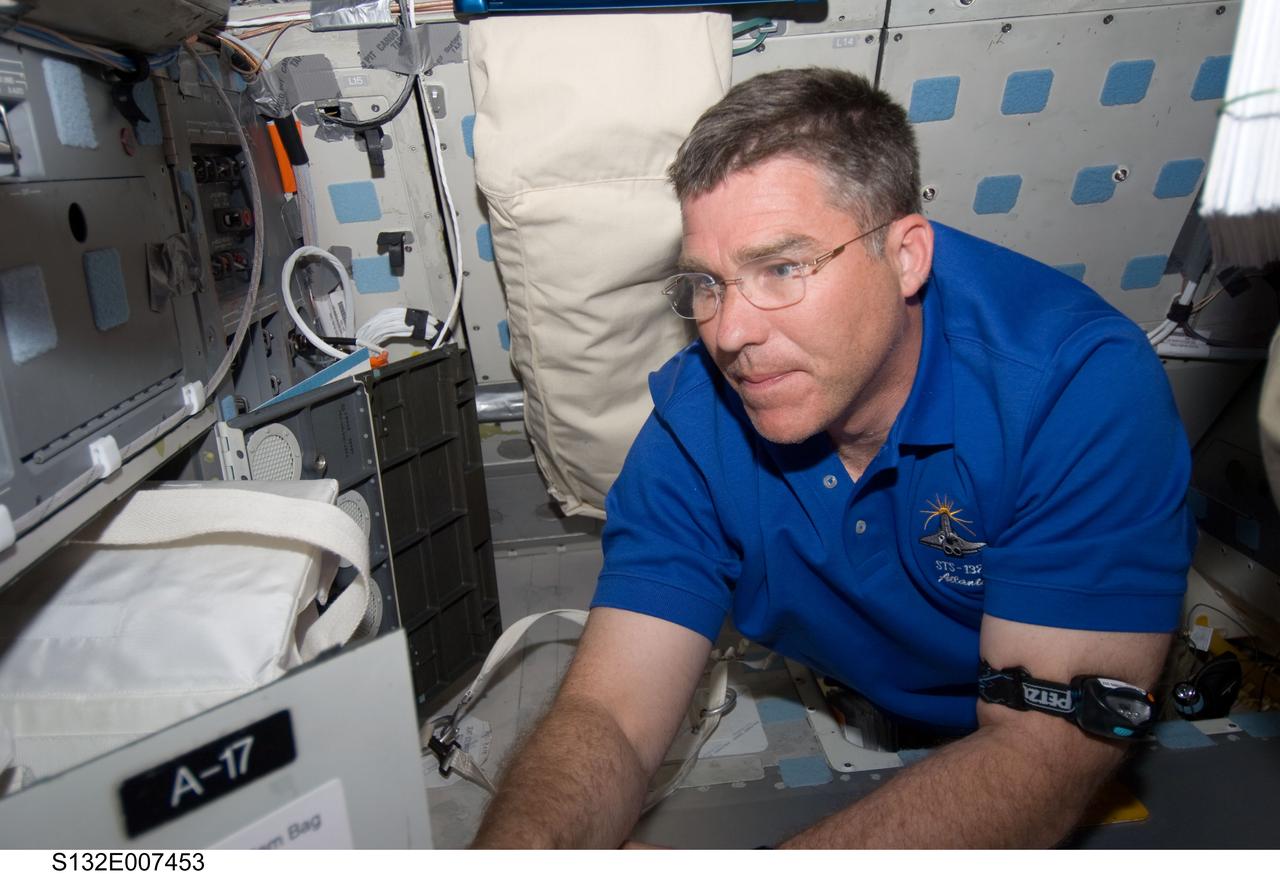
Bowen in the MDDK on STS-132 Space Shuttle Atlantis
Open
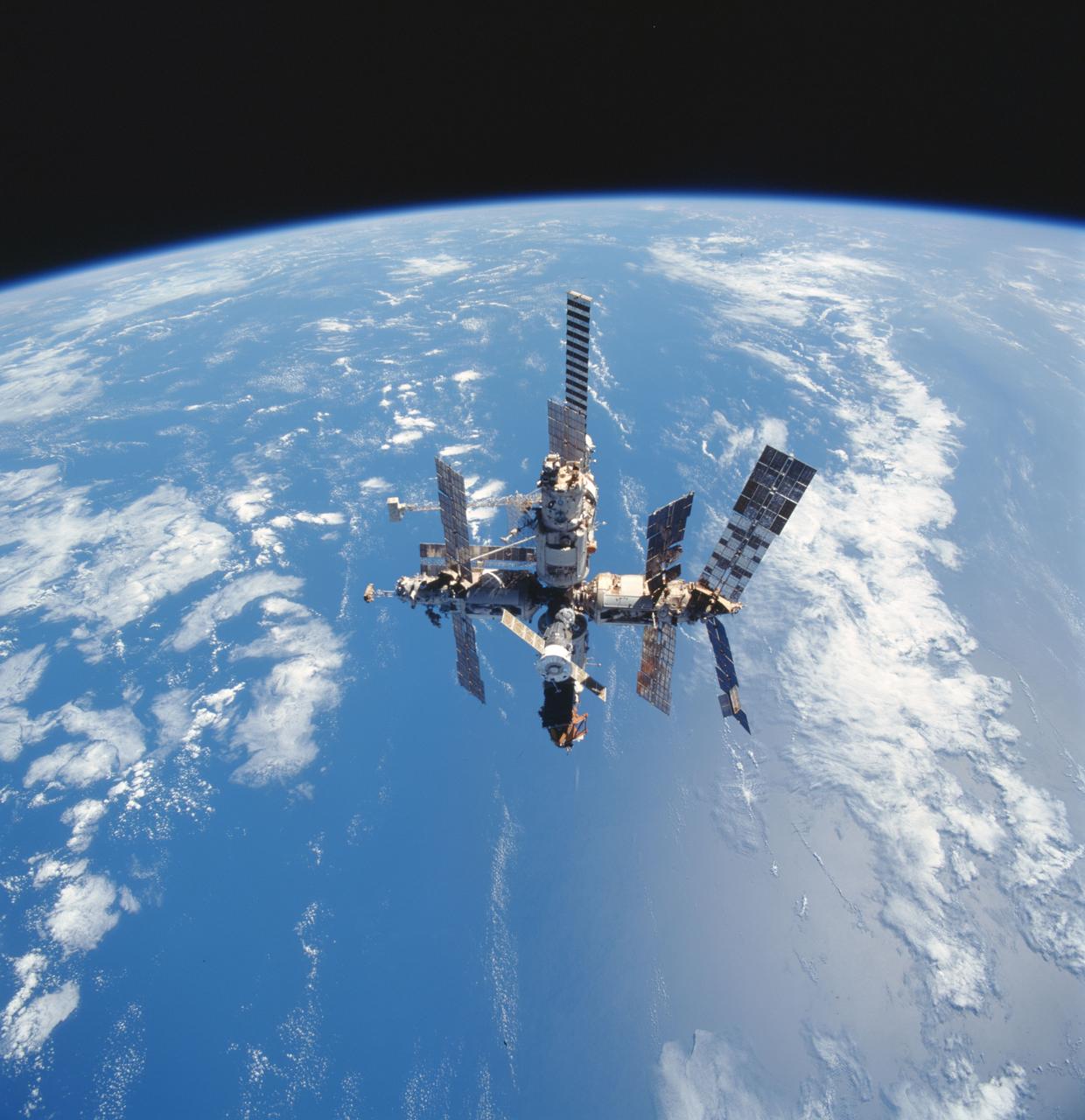
Survey views of the Mir Space Station during flyaround
Open

Progress 94 approaches the International Space Station for docking
Open

Progress 94 approaches the International Space Station for Docking
Open
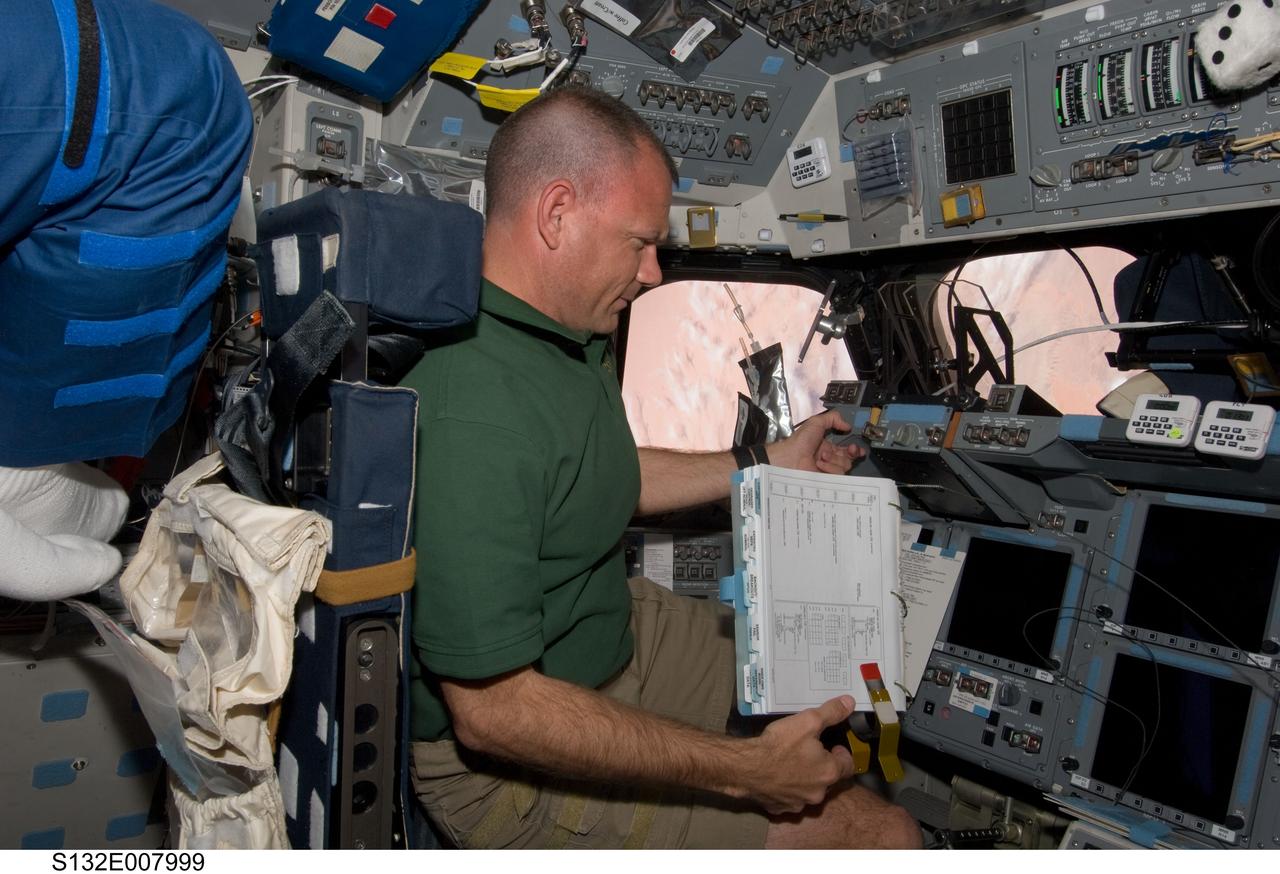
Antonelli in the FWD FD on Space Shuttle Atlantis
Open
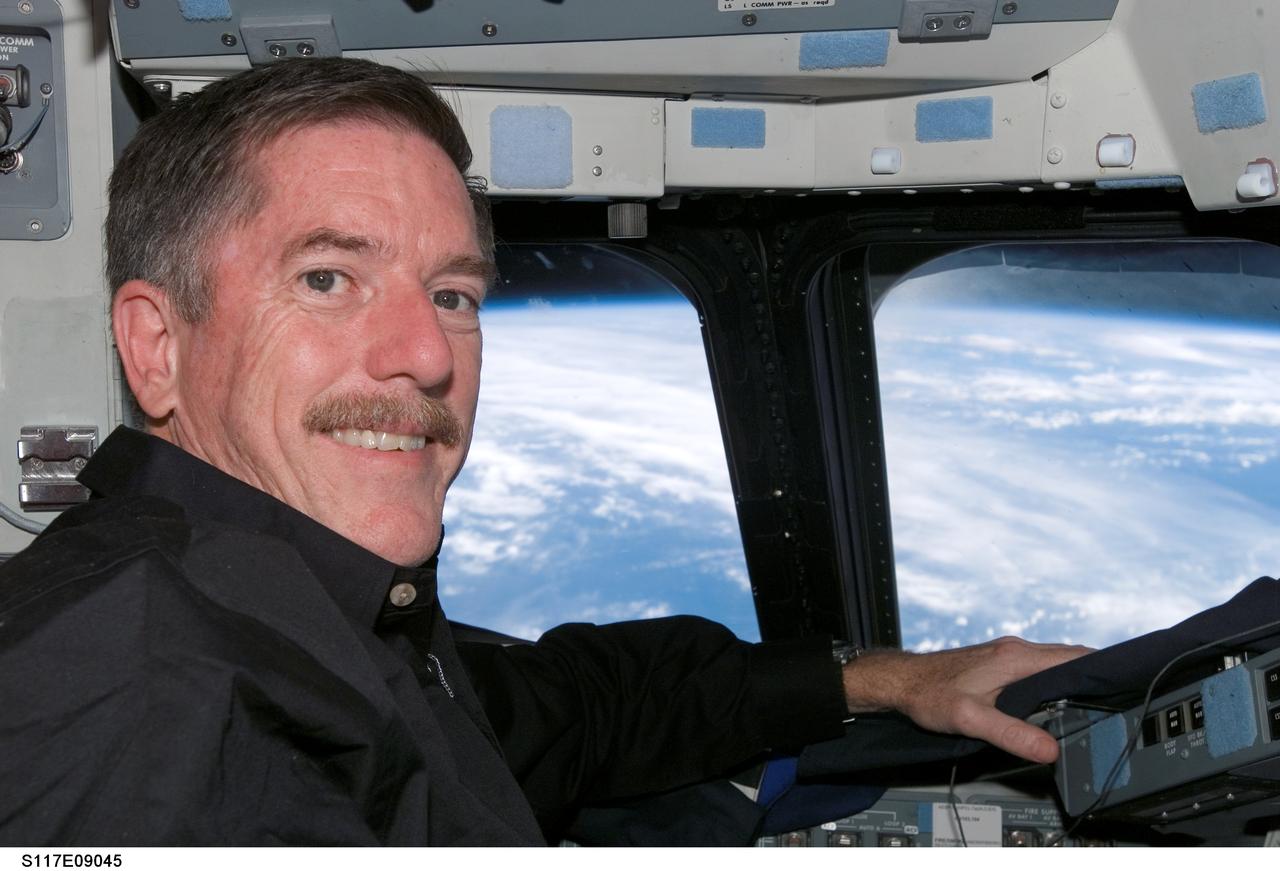
Reilly on the FD on STS-117 Space Shuttle Atlantis
Open
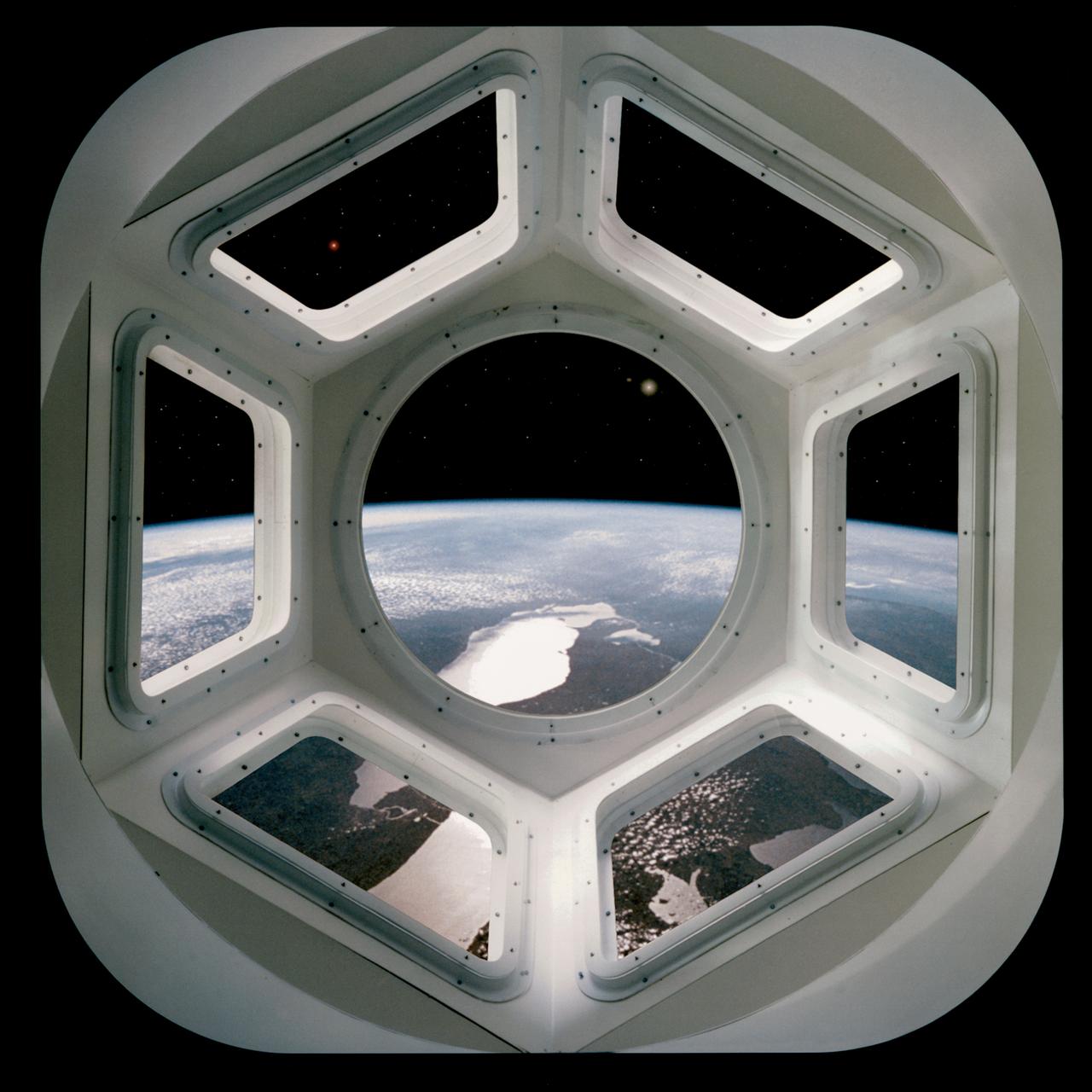
Art concepts of International Space Station design
Open
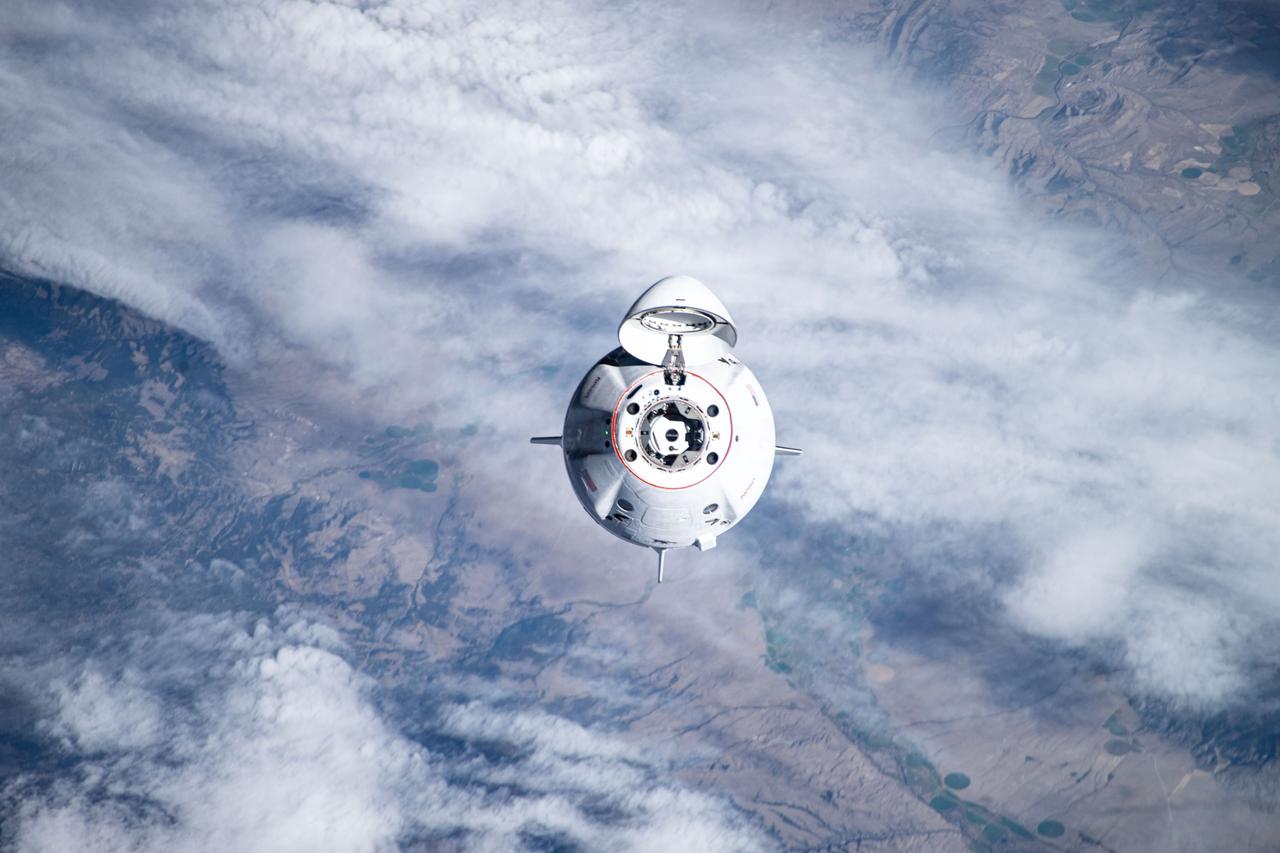
The SpaceX Dragon Freedom approaches the International Space Station
Open
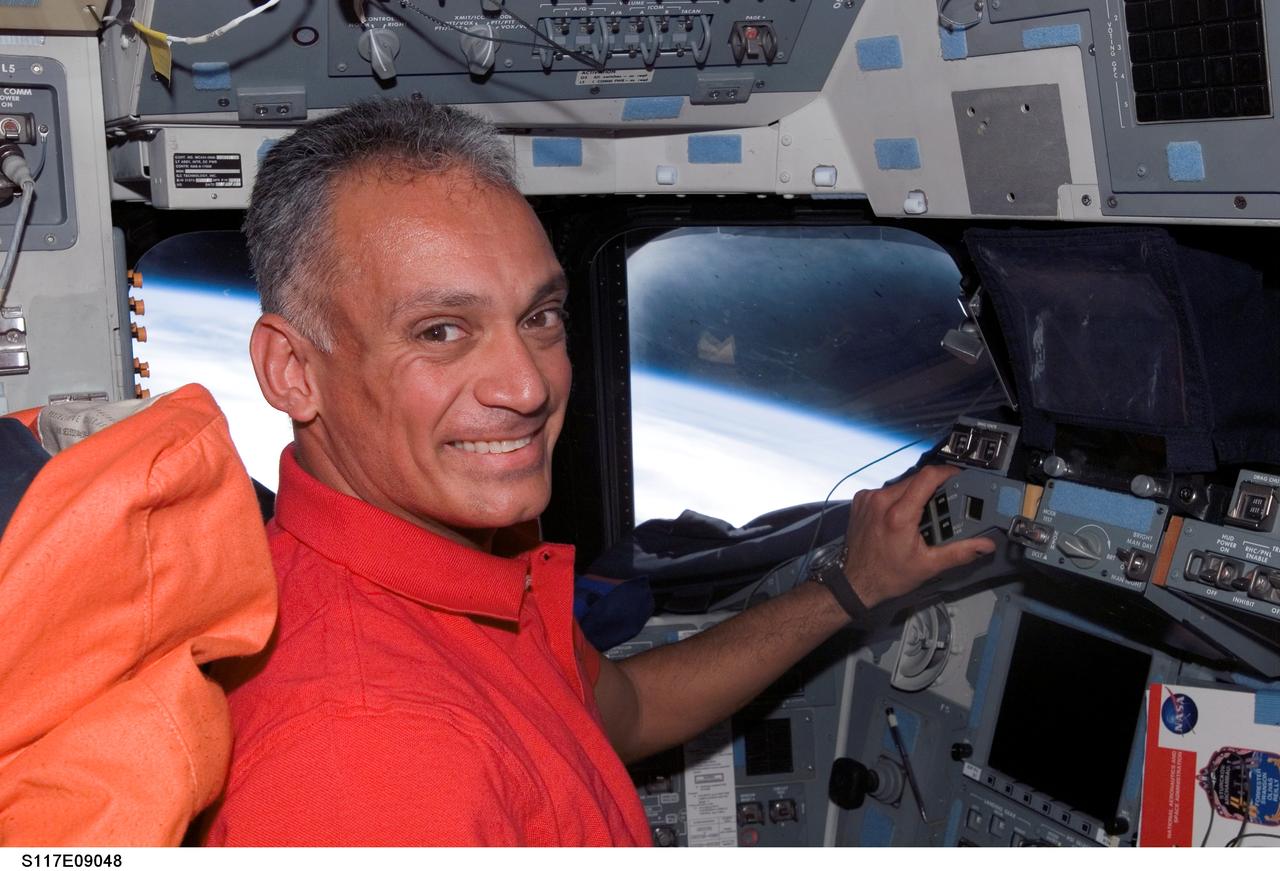
Olivas on the FD on STS-117 Space Shuttle Atlantis
Open
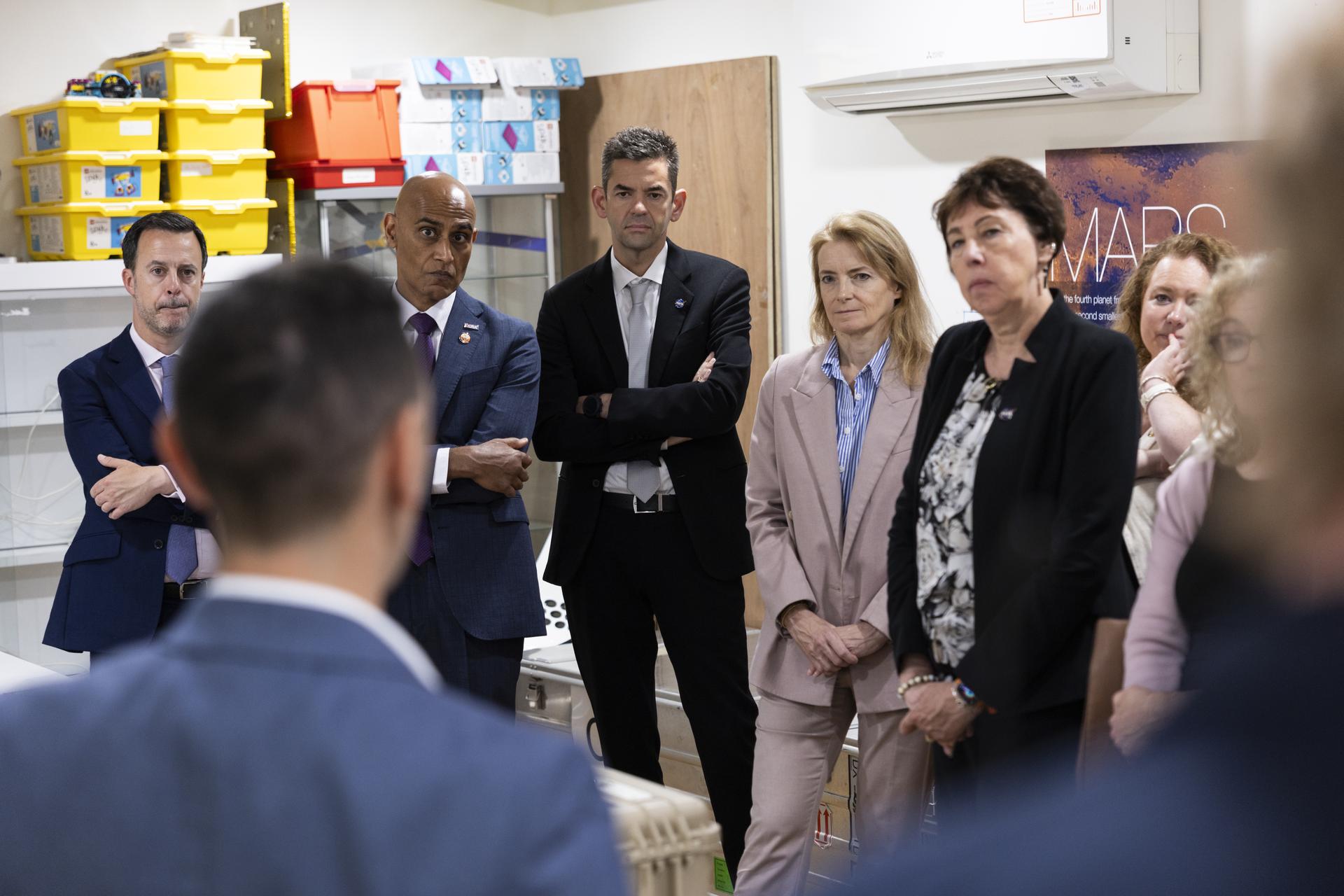
Jared Isaacman tours Airbus Defence and Space Facilities
Open
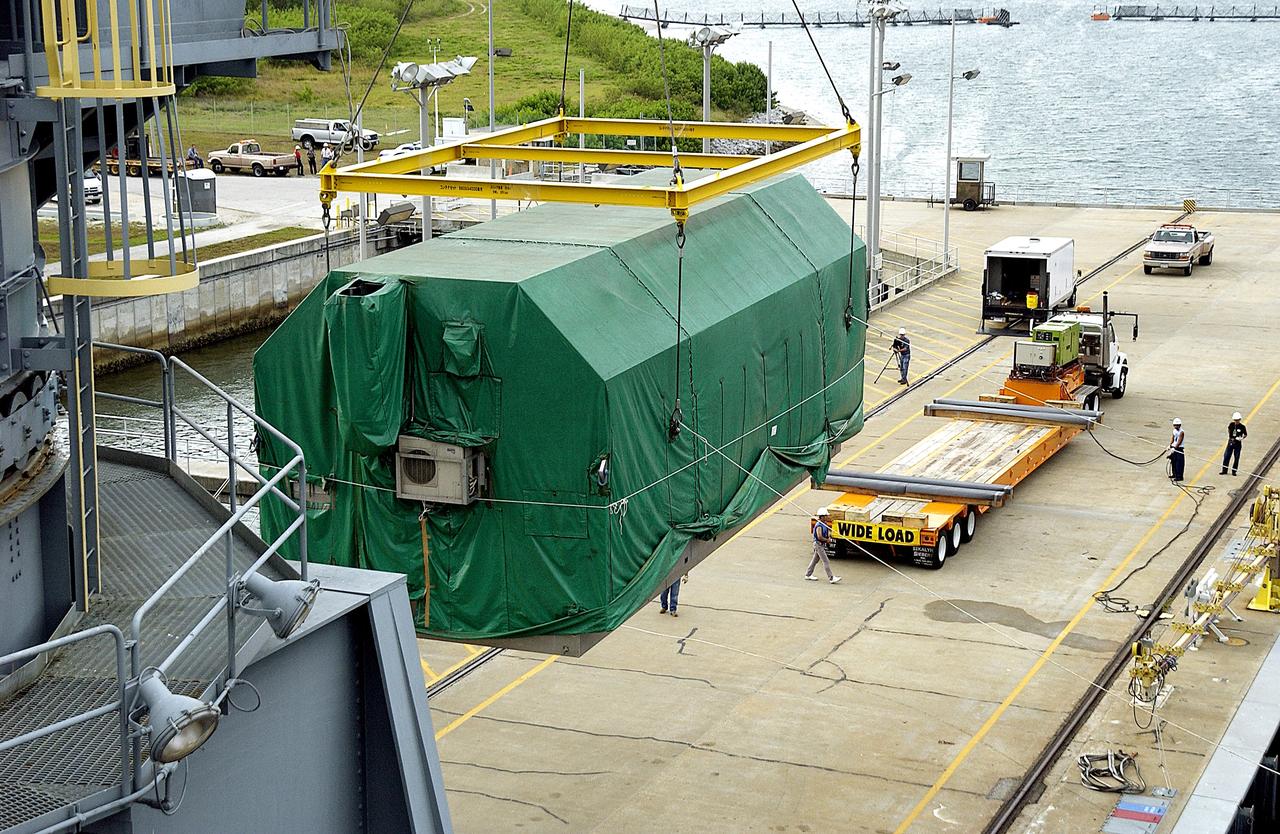
KENNEDY SPACE CENTER, FLA. - At Port Canaveral, the Pressurized Module of the Japanese Experiment Module (JEM) is lifted out of the ship’s cargo hold. It will be loaded onto the truck bed in the background for transfer to KSC’s Space Station Processing Facility. The container transport ship carrying JEM departed May 2 from Yokohama Harbor in Japan for the voyage to the United States. The National Space Development Agency of Japan (NASDA) developed the laboratory at the Tsukuba Space Center near Tokyo. The Pressurized Module is the first element of the JEM, named "Kibo" (Hope), to be delivered to KSC. The JEM is Japan's primary contribution to the Station. It will enhance the unique research capabilities of the orbiting complex by providing an additional environment for astronauts to conduct science experiments. The JEM also includes an exposed facility (platform) for space environment experiments, a robotic manipulator system, and two logistics modules. The various JEM components will be assembled in space over the course of three Shuttle missions.
Open
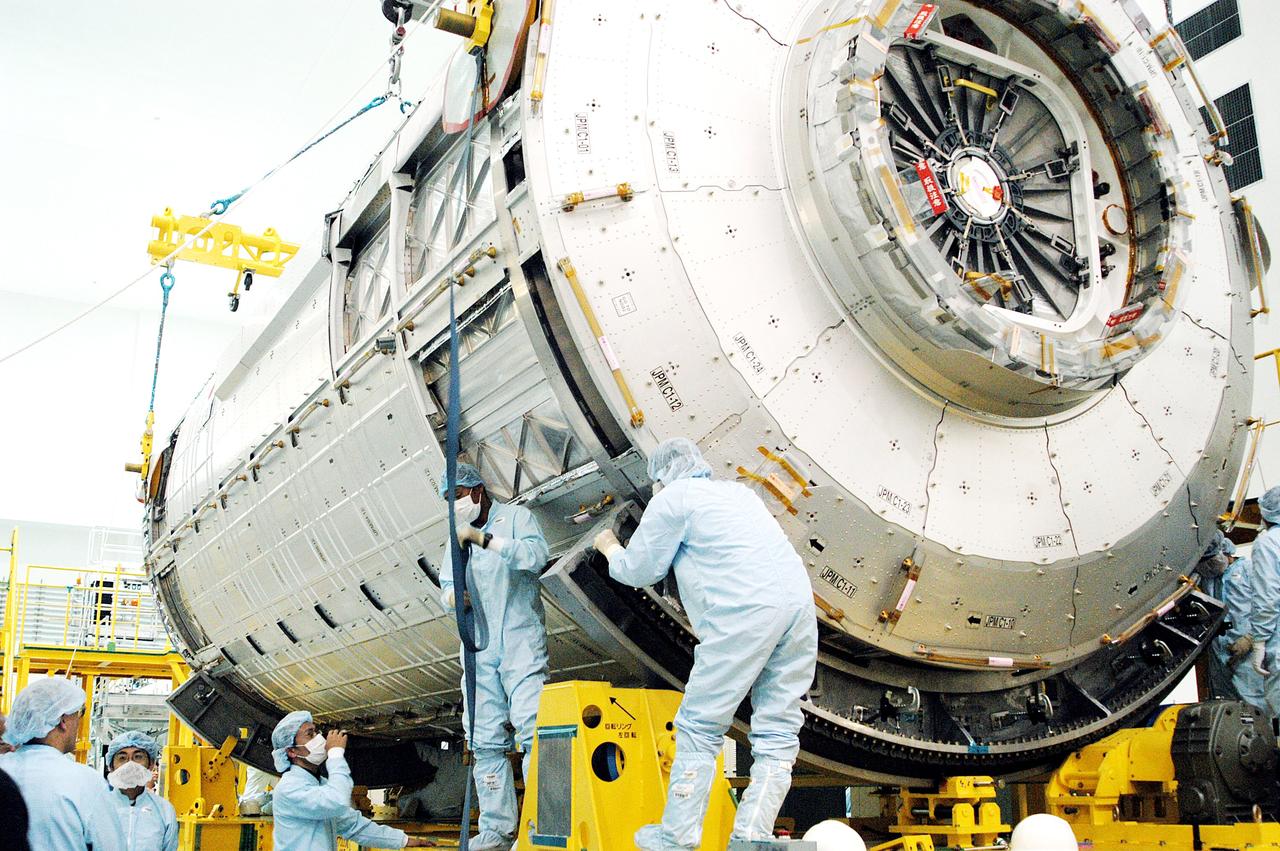
KENNEDY SPACE CENTER, FLA. - In the Space Station Processing Facility, workers check the Japanese Experiment Module (JEM) pressure module on its work stand. A research laboratory, the pressurized module is the first element of the JEM, named "Kibo" (Hope), to be delivered to KSC. The National Space Development Agency of Japan (NASDA) developed the laboratory at the Tsukuba Space Center near Tokyo and is Japan's primary contribution to the Station. It will enhance the unique research capabilities of the orbiting complex by providing an additional environment for astronauts to conduct science experiments. The JEM also includes an exposed facility (platform) for space environment experiments, a robotic manipulator system, and two logistics modules. The various JEM components will be assembled in space over the course of three Shuttle missions.
Open
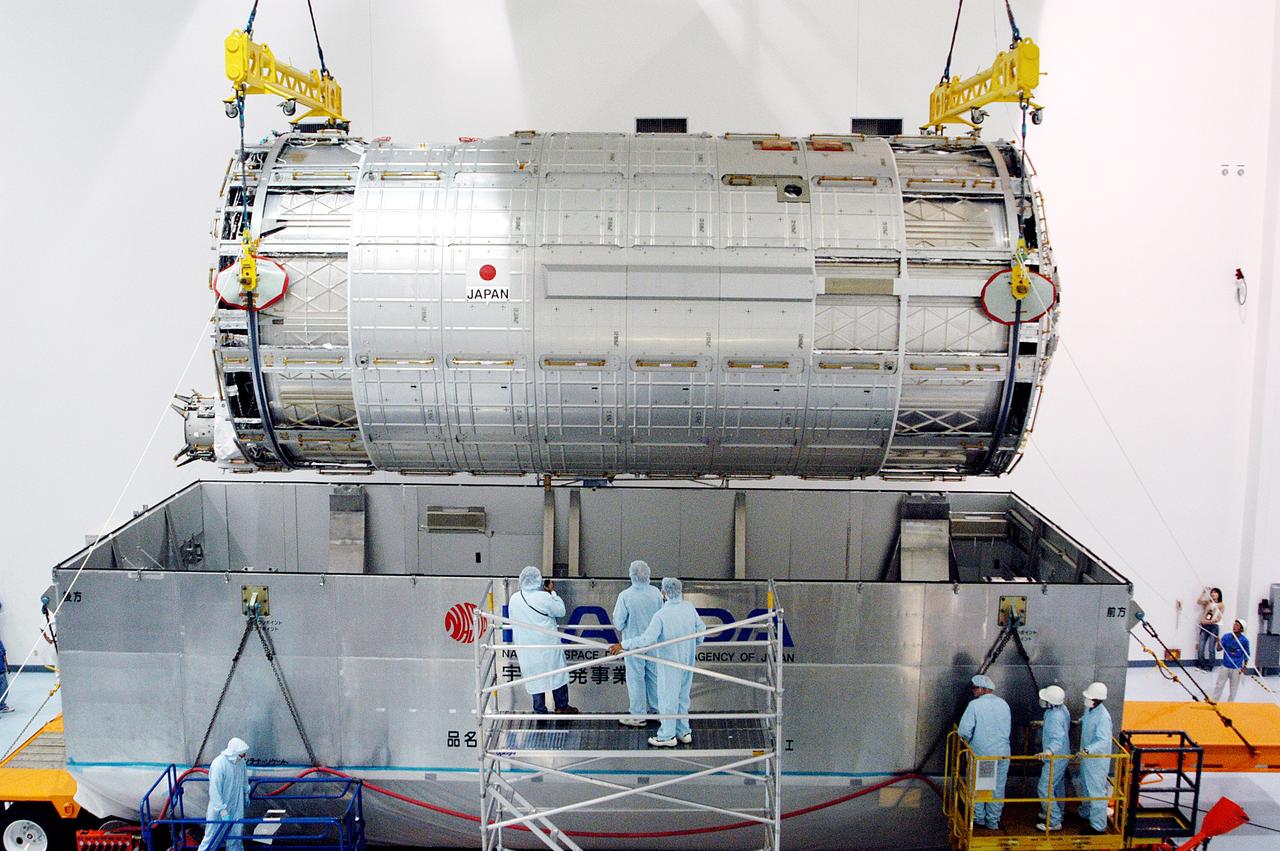
KENNEDY SPACE CENTER, FLA. - In the Space Station Processing Facility, an overhead crane lifts the Japanese Experiment Module (JEM) pressure module out of the shipping canister to move it to a work stand. A research laboratory, the pressurized module is the first element of the JEM, named "Kibo" (Hope), to be delivered to KSC. The National Space Development Agency of Japan (NASDA) developed the laboratory at the Tsukuba Space Center near Tokyo and is Japan's primary contribution to the Station. It will enhance the unique research capabilities of the orbiting complex by providing an additional environment for astronauts to conduct science experiments. The JEM also includes an exposed facility (platform) for space environment experiments, a robotic manipulator system, and two logistics modules. The various JEM components will be assembled in space over the course of three Shuttle missions.
Open

KENNEDY SPACE CENTER, FLA. - STS-120 Mission Specialists Piers Sellers and Michael Foreman look at the Japanese Experiment Module (JEM) Pressurized Module located in the Space Station Processing Facility. Known as Kibo, the JEM consists of six components: two research facilities -- the Pressurized Module and Exposed Facility; a Logistics Module attached to each of them; a Remote Manipulator System; and an Inter-Orbit Communication System unit. Kibo also has a scientific airlock through which experiments are transferred and exposed to the external environment of space. The various components of JEM will be assembled in space over the course of three Space Shuttle missions. The STS-120 mission will deliver the second of three Station connecting modules, Node 2, which attaches to the end of U.S. Lab. It will provide attach locations for the JEM, European laboratory, the Centrifuge Accommodation Module and later Multi-Purpose Logistics Modules. The addition of Node 2 will complete the U.S. core of the International Space Station.
Open
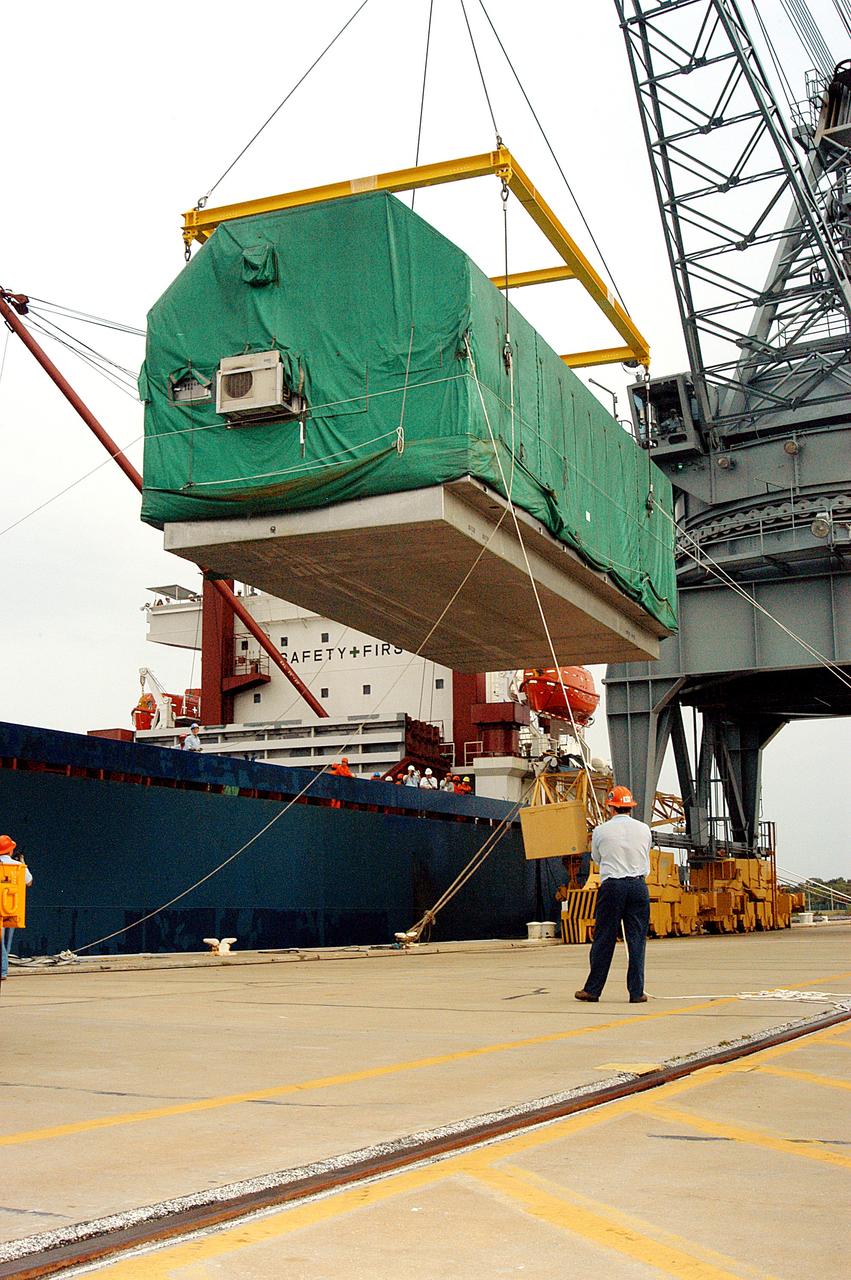
KENNEDY SPACE CENTER, FLA. - At Port Canaveral, the Pressurized Module of the Japanese Experiment Module (JEM) is suspended over the dock, waiting for a truck that will transfer it to KSC’s Space Station Processing Facility. The container transport ship carrying JEM departed May 2 from Yokohama Harbor in Japan for the voyage to the United States. The National Space Development Agency of Japan (NASDA) developed the laboratory at the Tsukuba Space Center near Tokyo. The Pressurized Module is the first element of the JEM, named "Kibo" (Hope), to be delivered to KSC. The JEM is Japan's primary contribution to the Station. It will enhance the unique research capabilities of the orbiting complex by providing an additional environment for astronauts to conduct science experiments. The JEM also includes an exposed facility (platform) for space environment experiments, a robotic manipulator system, and two logistics modules. The various JEM components will be assembled in space over the course of three Shuttle missions.
Open
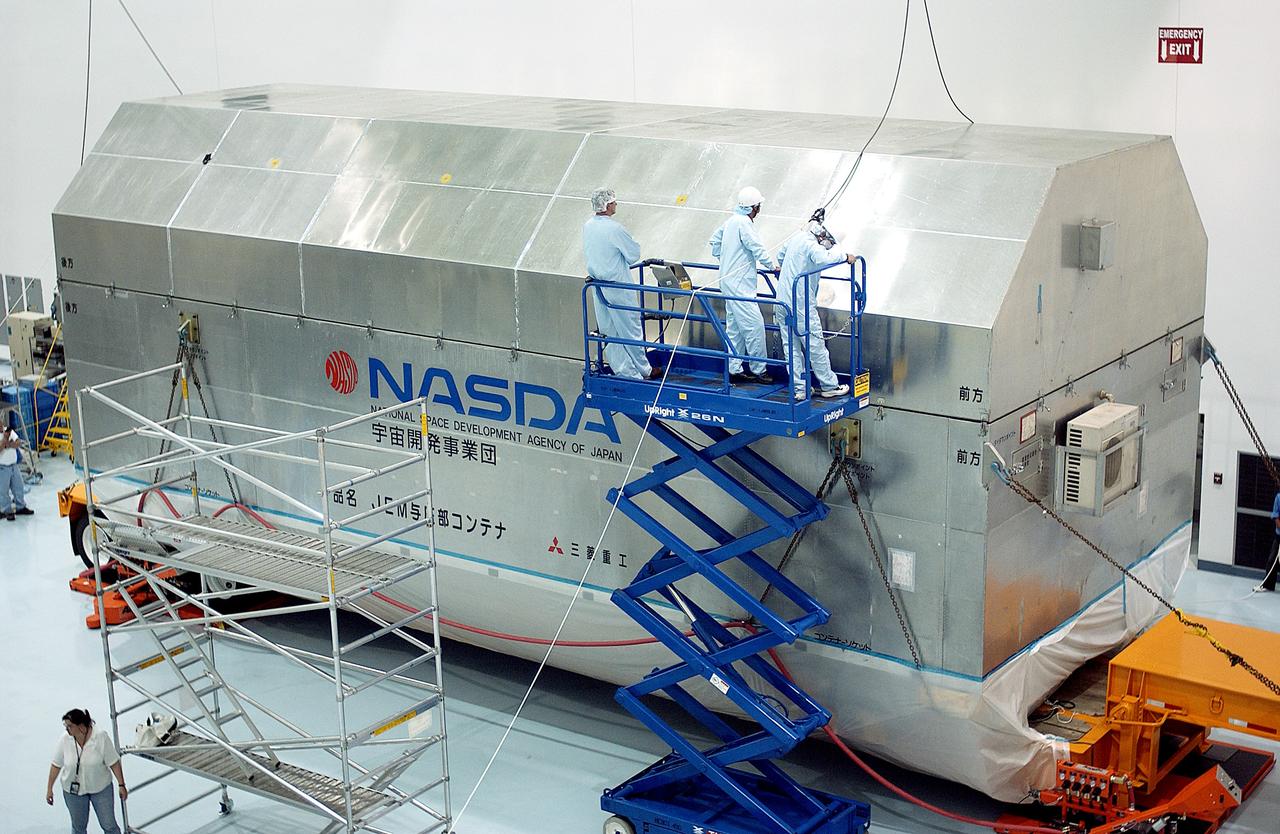
KENNEDY SPACE CENTER, FLA. - Workers in the Space Station Processing Facility prepare to remove the lid of the container with the Japanese Experiment Module (JEM) pressure module inside. A research laboratory, the pressurized module is the first element of the JEM, named "Kibo" (Hope), to be delivered to KSC. The National Space Development Agency of Japan (NASDA) developed the laboratory at the Tsukuba Space Center near Tokyo and is Japan's primary contribution to the Station. It will enhance the unique research capabilities of the orbiting complex by providing an additional environment for astronauts to conduct science experiments. The JEM also includes an exposed facility (platform) for space environment experiments, a robotic manipulator system, and two logistics modules. The various JEM components will be assembled in space over the course of three Shuttle missions.
Open
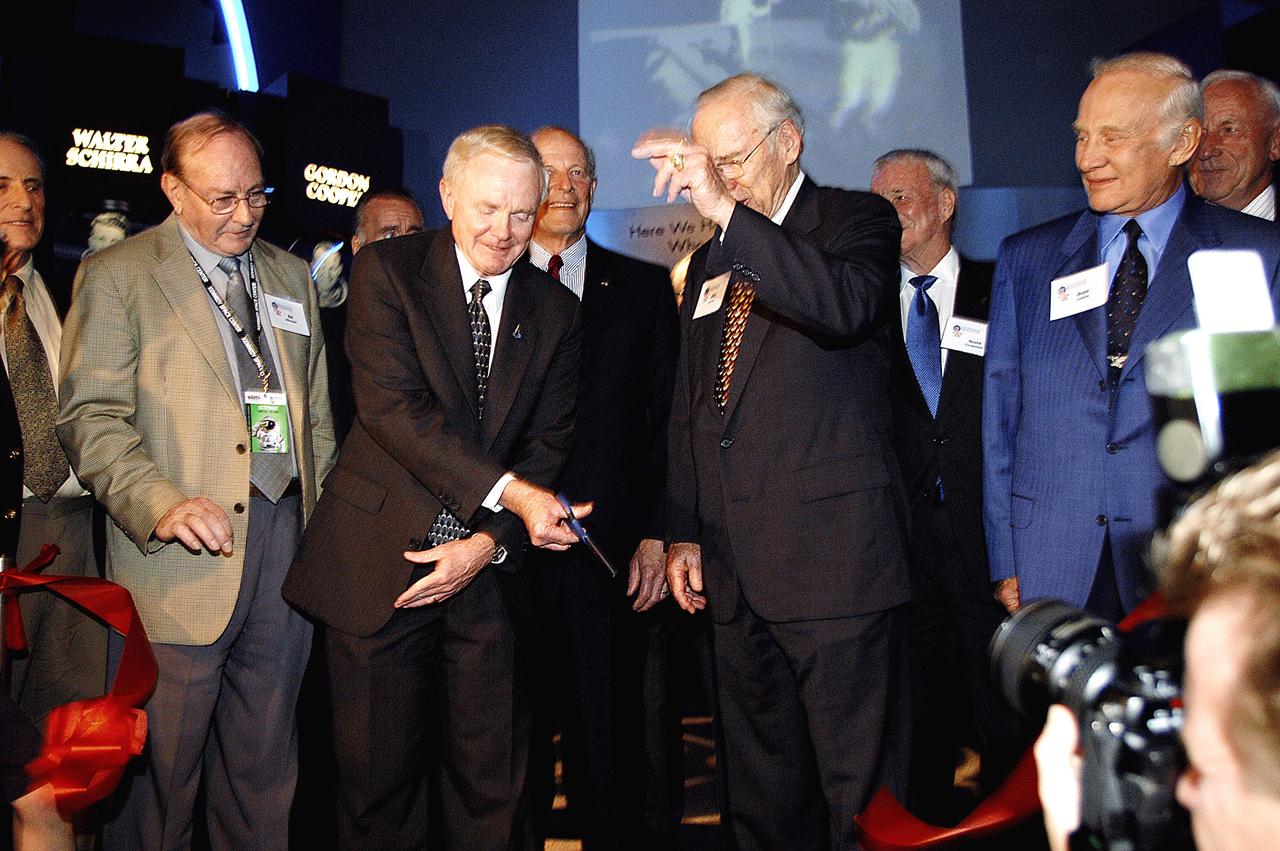
KENNEDY SPACE CENTER, FLA. - Center Director and former astronaut Roy D. Bridges, Jr., (holding scissors) cuts the ribbon at a ceremony officially opening the U.S. Astronaut Hall of Fame as part of the Kennedy Space Center Visitor Complex. Invited guests and dignitaries look on, such as former astronauts Edgar D. Mitchell on Bridges' left and James Lovell (hand up) and Buzz Aldrin on his right. The ceremony was held in conjunction with the induction of four Space Shuttle astronauts into the Hall of Fame including Daniel Brandenstein, Robert "Hoot" Gibson, Story Musgrave, and Sally Ride. Conceived by six of the Mercury Program astronauts, the U.S. Astronaut Hall of Fame opened in 1990 to provide a place where space travelers could be remembered for their participation and accomplishments in the U.S. space program. The four new inductees join 48 previously honored astronauts from the ranks of the Gemini, Apollo, Skylab, Apollo-Soyuz, and Space Shuttle programs.
Open
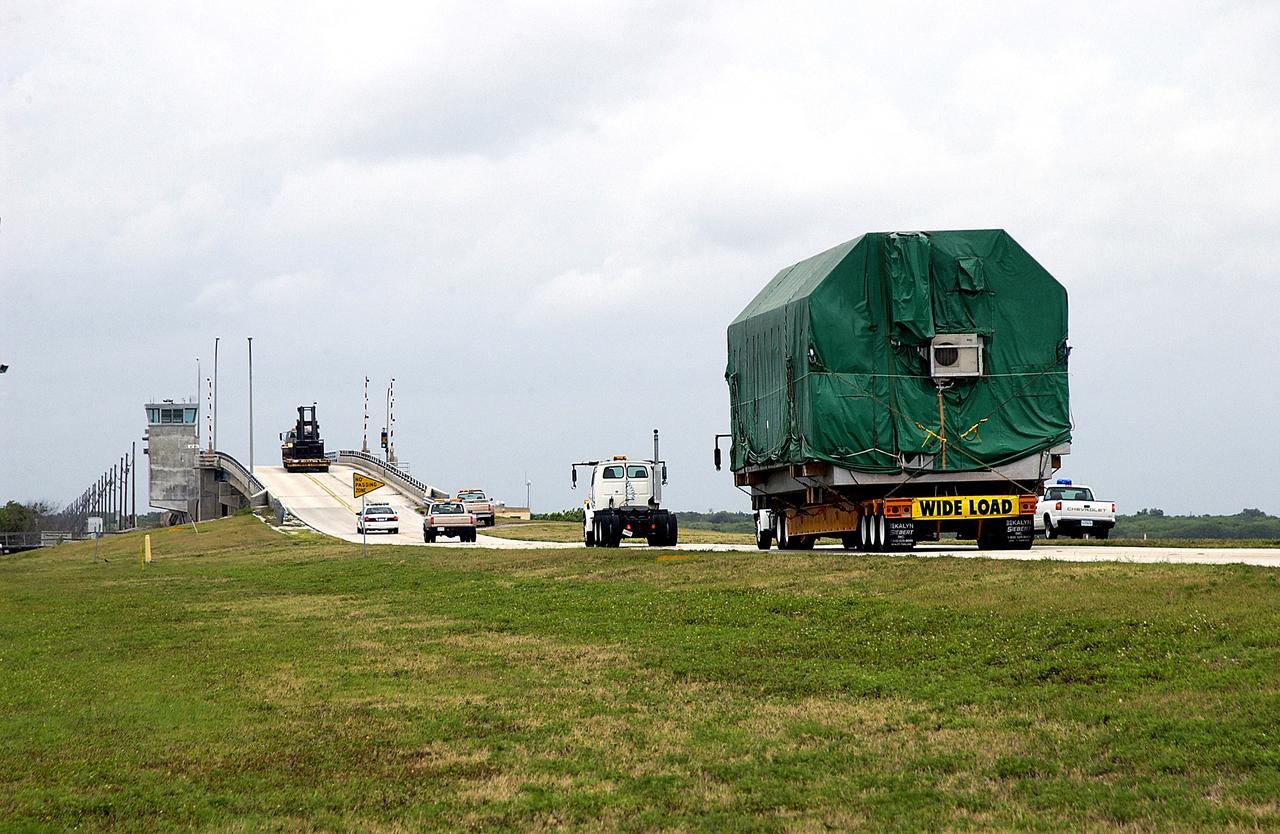
KENNEDY SPACE CENTER, FLA. - A convoy accompanies the truck transporting the Pressurized Module of the Japanese Experiment Module (JEM) to KSC’s Space Station Processing Facility. The National Space Development Agency of Japan (NASDA) developed the laboratory at the Tsukuba Space Center near Tokyo. The Pressurized Module is the first element of the JEM, named "Kibo" (Hope), to be delivered to KSC. The JEM is Japan's primary contribution to the Station. It will enhance the unique research capabilities of the orbiting complex by providing an additional environment for astronauts to conduct science experiments. The JEM also includes an exposed facility (platform) for space environment experiments, a robotic manipulator system, and two logistics modules. The various JEM components will be assembled in space over the course of three Shuttle missions.
Open
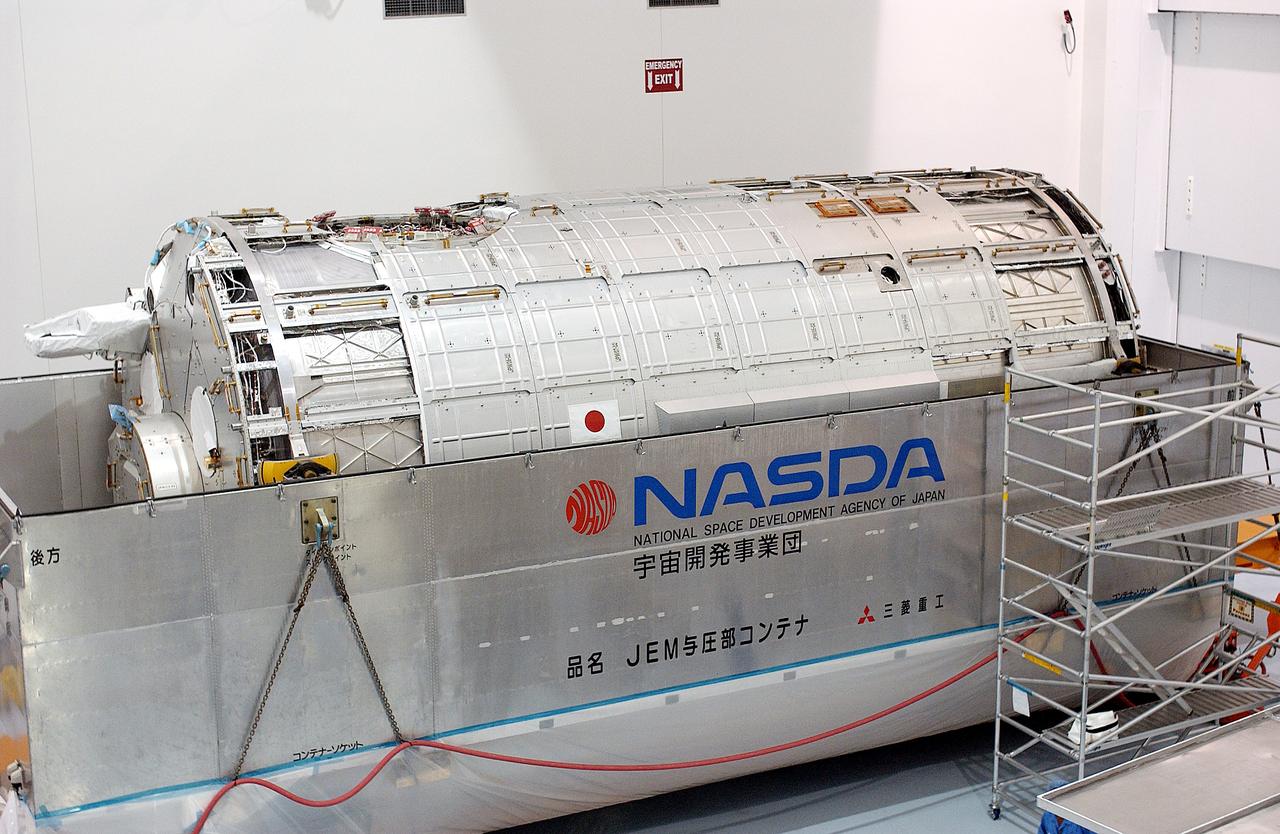
KENNEDY SPACE CENTER, FLA. - In the Space Station Processing Facility, the Japanese Experiment Module (JEM) pressure module is exposed after removal of the lid of its shipping container. A research laboratory, the pressurized module is the first element of the JEM, named "Kibo" (Hope), to be delivered to KSC. The National Space Development Agency of Japan (NASDA) developed the laboratory at the Tsukuba Space Center near Tokyo and is Japan's primary contribution to the Station. It will enhance the unique research capabilities of the orbiting complex by providing an additional environment for astronauts to conduct science experiments. The JEM also includes an exposed facility (platform) for space environment experiments, a robotic manipulator system, and two logistics modules. The various JEM components will be assembled in space over the course of three Shuttle missions.
Open
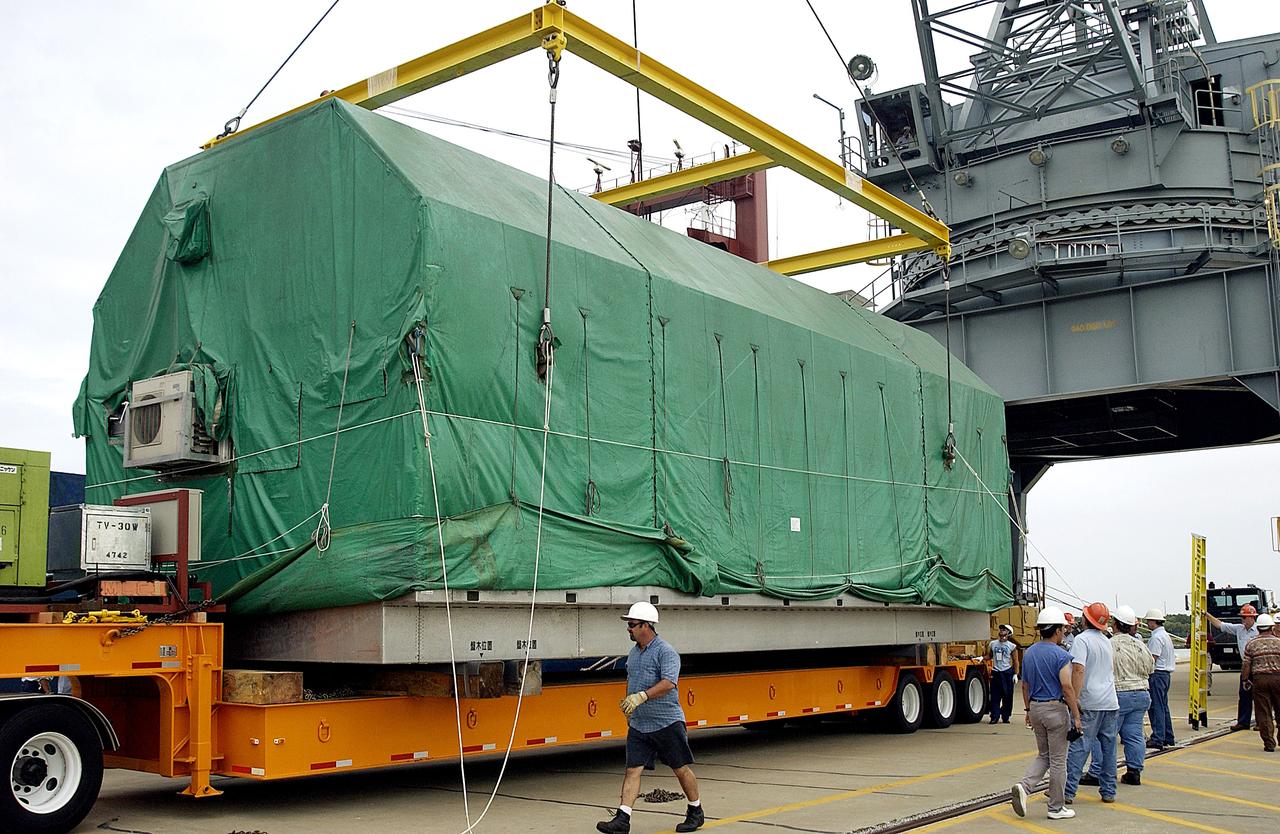
KENNEDY SPACE CENTER, FLA. - At Port Canaveral, the overhead crane that lifted the Pressurized Module of the Japanese Experiment Module (JEM) from the ship onto the truck bed is released. The container transport ship carrying JEM departed May 2 from Yokohama Harbor in Japan for the voyage to the United States. The National Space Development Agency of Japan (NASDA) developed the laboratory at the Tsukuba Space Center near Tokyo. The Pressurized Module is the first element of the JEM, named "Kibo" (Hope), to be delivered to KSC, and will be transferred to KSC’s Space Station Processing Facility. The JEM is Japan's primary contribution to the Station. It will enhance the unique research capabilities of the orbiting complex by providing an additional environment for astronauts to conduct science experiments. The JEM also includes an exposed facility (platform) for space environment experiments, a robotic manipulator system, and two logistics modules. The various JEM components will be assembled in space over the course of three Shuttle missions.
Open
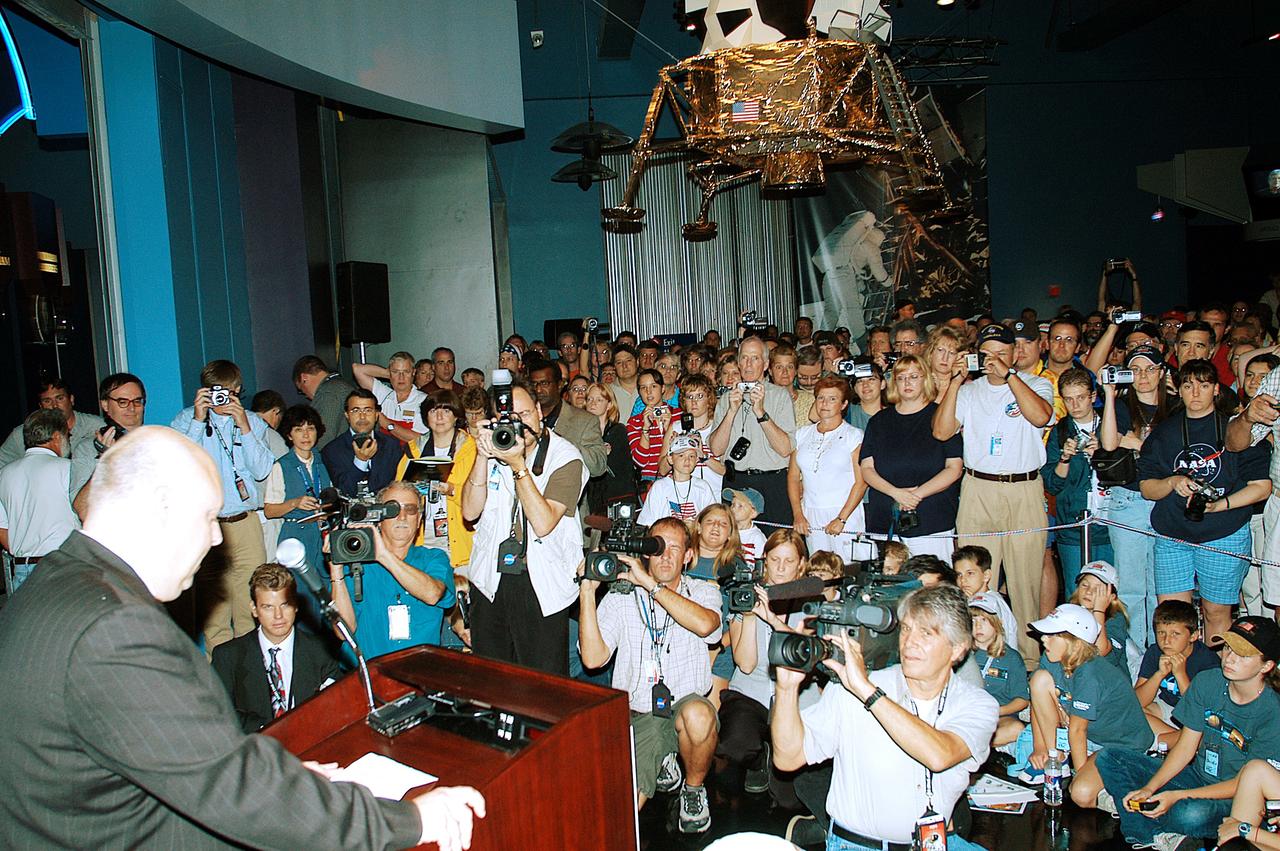
KENNEDY SPACE CENTER, FLA. - Daniel LeBlanc, chief operating officer of Delaware North Companies Parks and Resorts at KSC, makes the opening remarks to hundreds of guests and media representatives attending a ribbon cutting ceremony officially opening the U.S. Astronaut Hall of Fame as part of the Kennedy Space Center Visitor Complex. The ceremony was held in conjunction with the induction of four Space Shuttle astronauts into the Hall of Fame including Daniel Brandenstein, Robert "Hoot" Gibson, Story Musgrave, and Sally Ride. Conceived by six of the Mercury Program astronauts, the U.S. Astronaut Hall of Fame opened in 1990 to provide a place where space travelers could be remembered for their participation and accomplishments in the U.S. space program. The four new inductees join 48 previously honored astronauts from the ranks of the Gemini, Apollo, Skylab, Apollo-Soyuz, and Space Shuttle programs.
Open