VoidView.Space
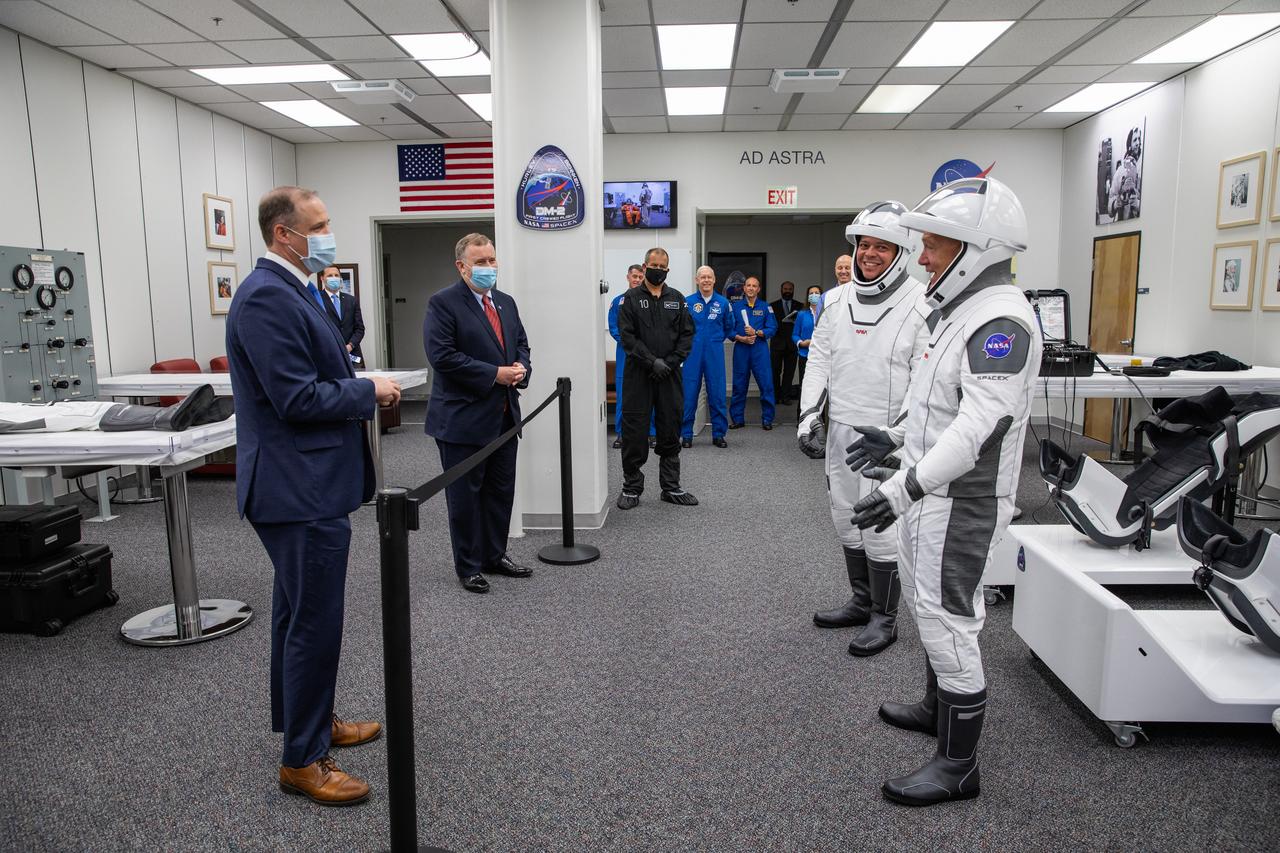
SpaceX Demo-2 Astronaut Suit-Up

ISS — Page 48

SpaceX Demo-2 Astronaut Suit-Up

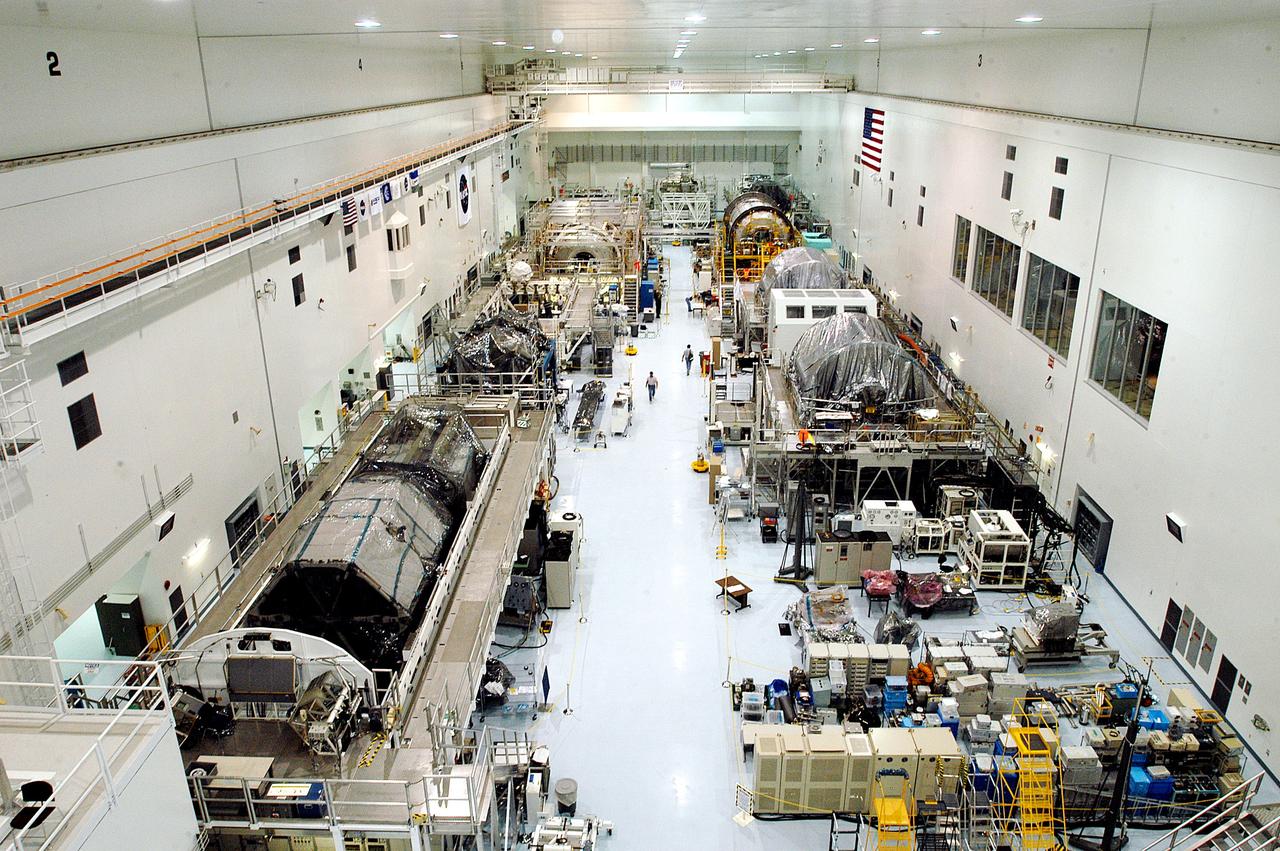
KENNEDY SPACE CENTER, FLA. -  Various elements intended for the International Space Station are lined up in the Space Station Processing Facility.  The newest to arrive at KSC are in the rear: at left, the U.S. Node 2, and next to it at right, the Japanese Experiment Module (JEM).  The two elements are undergoing a Multi-Element Integrated Test (MEIT).   Node 2 attaches to the end of the U.S. Lab on the ISS and provides attach locations for the Japanese laboratory, European laboratory, the Centrifuge Accommodation Module and, eventually, Multipurpose Logistics Modules. It will provide the primary docking location for the Shuttle when a pressurized mating adapter is attached to Node 2.  Installation of the module will complete the U.S. Core of the ISS.   Developed by the National Space Development Agency of Japan (NASDA), the JEM is Japan's primary contribution to the Station. It will enhance the unique research capabilities of the orbiting complex by providing an additional environment for astronauts to conduct science experiments.

KENNEDY SPACE CENTER, FLA. - Various elements intended for the International Space Station are lined up in the Space Station Processing Facility. The newest to arrive at KSC are in the rear: at left, the U.S. Node 2, and next to it at right, the Japanese Experiment Module (JEM). The two elements are undergoing a Multi-Element Integrated Test (MEIT). Node 2 attaches to the end of the U.S. Lab on the ISS and provides attach locations for the Japanese laboratory, European laboratory, the Centrifuge Accommodation Module and, eventually, Multipurpose Logistics Modules. It will provide the primary docking location for the Shuttle when a pressurized mating adapter is attached to Node 2. Installation of the module will complete the U.S. Core of the ISS. Developed by the National Space Development Agency of Japan (NASDA), the JEM is Japan's primary contribution to the Station. It will enhance the unique research capabilities of the orbiting complex by providing an additional environment for astronauts to conduct science experiments.

Open
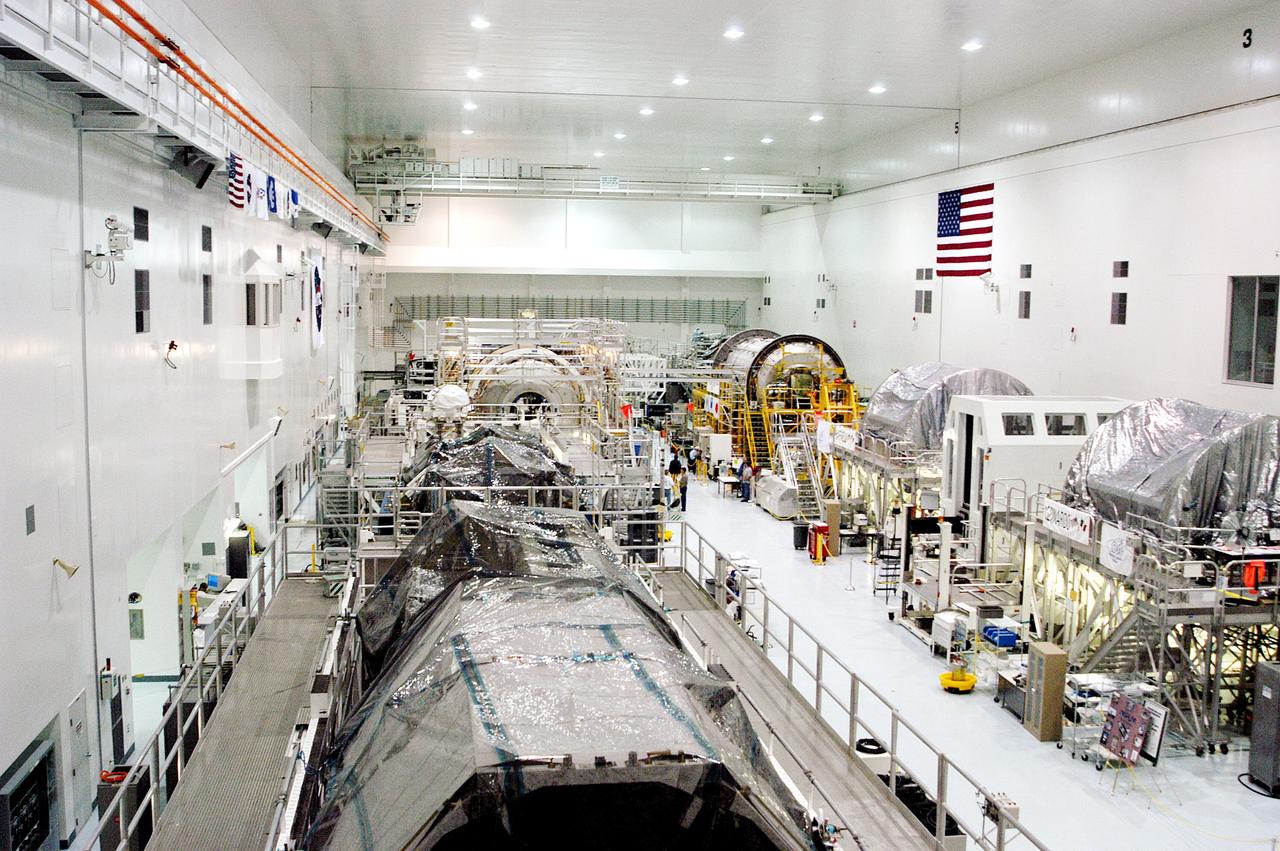
KENNEDY SPACE CENTER, FLA. -  Various elements intended for the International Space Station are lined up in the Space Station Processing Facility.  The newest to arrive at KSC are in the rear: at left, the U.S. Node 2, and at right, the Japanese Experiment Module (JEM).  The two elements are undergoing a Multi-Element Integrated Test (MEIT).   Node 2 attaches to the end of the U.S. Lab on the ISS and provides attach locations for the Japanese laboratory, European laboratory, the Centrifuge Accommodation Module and, eventually, Multipurpose Logistics Modules. It will provide the primary docking location for the Shuttle when a pressurized mating adapter is attached to Node 2.  Installation of the module will complete the U.S. Core of the ISS.   Developed by the National Space Development Agency of Japan (NASDA), the JEM is Japan's primary contribution to the Station. It will enhance the unique research capabilities of the orbiting complex by providing an additional environment for astronauts to conduct science experiments.

KENNEDY SPACE CENTER, FLA. - Various elements intended for the International Space Station are lined up in the Space Station Processing Facility. The newest to arrive at KSC are in the rear: at left, the U.S. Node 2, and at right, the Japanese Experiment Module (JEM). The two elements are undergoing a Multi-Element Integrated Test (MEIT). Node 2 attaches to the end of the U.S. Lab on the ISS and provides attach locations for the Japanese laboratory, European laboratory, the Centrifuge Accommodation Module and, eventually, Multipurpose Logistics Modules. It will provide the primary docking location for the Shuttle when a pressurized mating adapter is attached to Node 2. Installation of the module will complete the U.S. Core of the ISS. Developed by the National Space Development Agency of Japan (NASDA), the JEM is Japan's primary contribution to the Station. It will enhance the unique research capabilities of the orbiting complex by providing an additional environment for astronauts to conduct science experiments.

Open
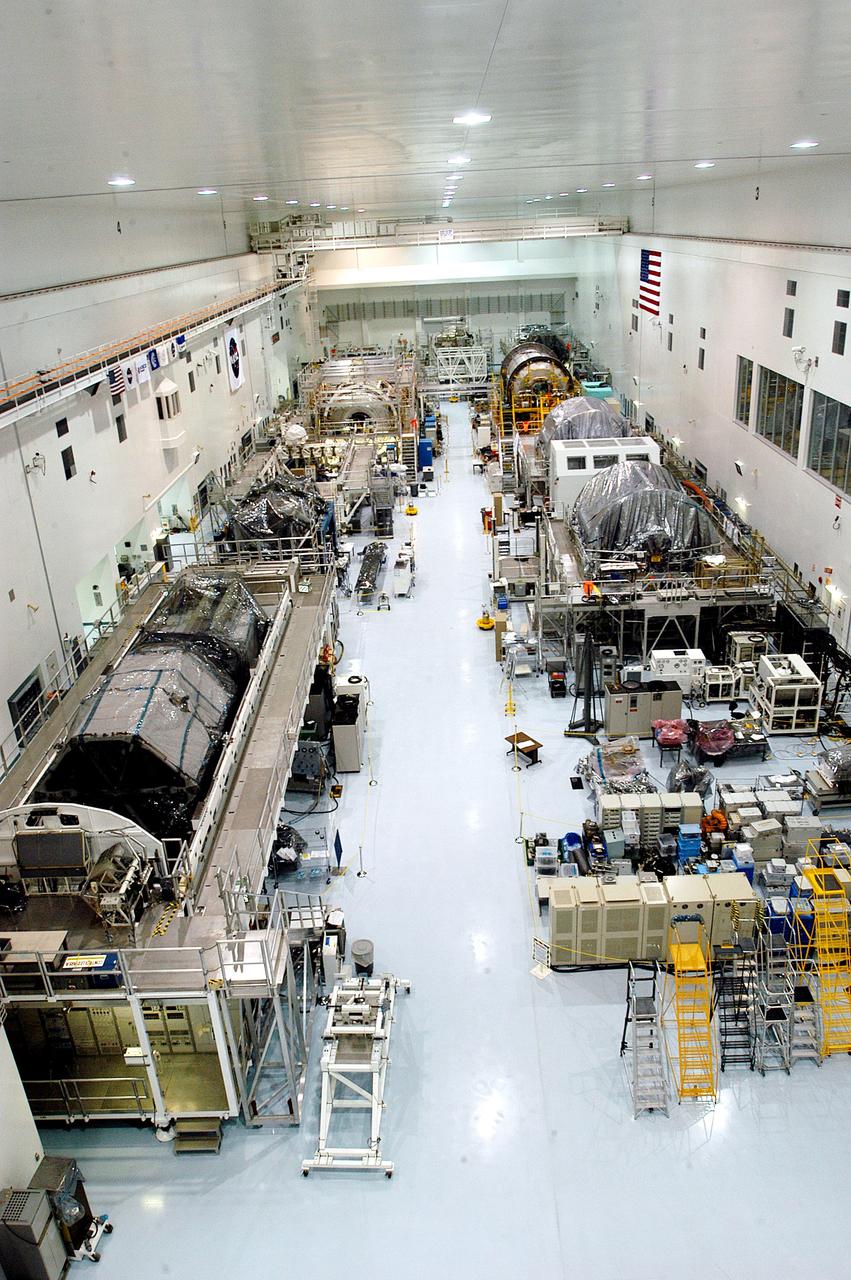
KENNEDY SPACE CENTER, FLA. -  Various elements intended for the International Space Station are lined up in the Space Station Processing Facility.  The newest to arrive at KSC are in the rear: at left, the U.S. Node 2, and next to it at right, the Japanese Experiment Module (JEM).  The two elements are undergoing a Multi-Element Integrated Test (MEIT).   Node 2 attaches to the end of the U.S. Lab on the ISS and provides attach locations for the Japanese laboratory, European laboratory, the Centrifuge Accommodation Module and, eventually, Multipurpose Logistics Modules. It will provide the primary docking location for the Shuttle when a pressurized mating adapter is attached to Node 2.  Installation of the module will complete the U.S. Core of the ISS.   Developed by the National Space Development Agency of Japan (NASDA), the JEM is Japan's primary contribution to the Station. It will enhance the unique research capabilities of the orbiting complex by providing an additional environment for astronauts to conduct science experiments.

KENNEDY SPACE CENTER, FLA. - Various elements intended for the International Space Station are lined up in the Space Station Processing Facility. The newest to arrive at KSC are in the rear: at left, the U.S. Node 2, and next to it at right, the Japanese Experiment Module (JEM). The two elements are undergoing a Multi-Element Integrated Test (MEIT). Node 2 attaches to the end of the U.S. Lab on the ISS and provides attach locations for the Japanese laboratory, European laboratory, the Centrifuge Accommodation Module and, eventually, Multipurpose Logistics Modules. It will provide the primary docking location for the Shuttle when a pressurized mating adapter is attached to Node 2. Installation of the module will complete the U.S. Core of the ISS. Developed by the National Space Development Agency of Japan (NASDA), the JEM is Japan's primary contribution to the Station. It will enhance the unique research capabilities of the orbiting complex by providing an additional environment for astronauts to conduct science experiments.

Open
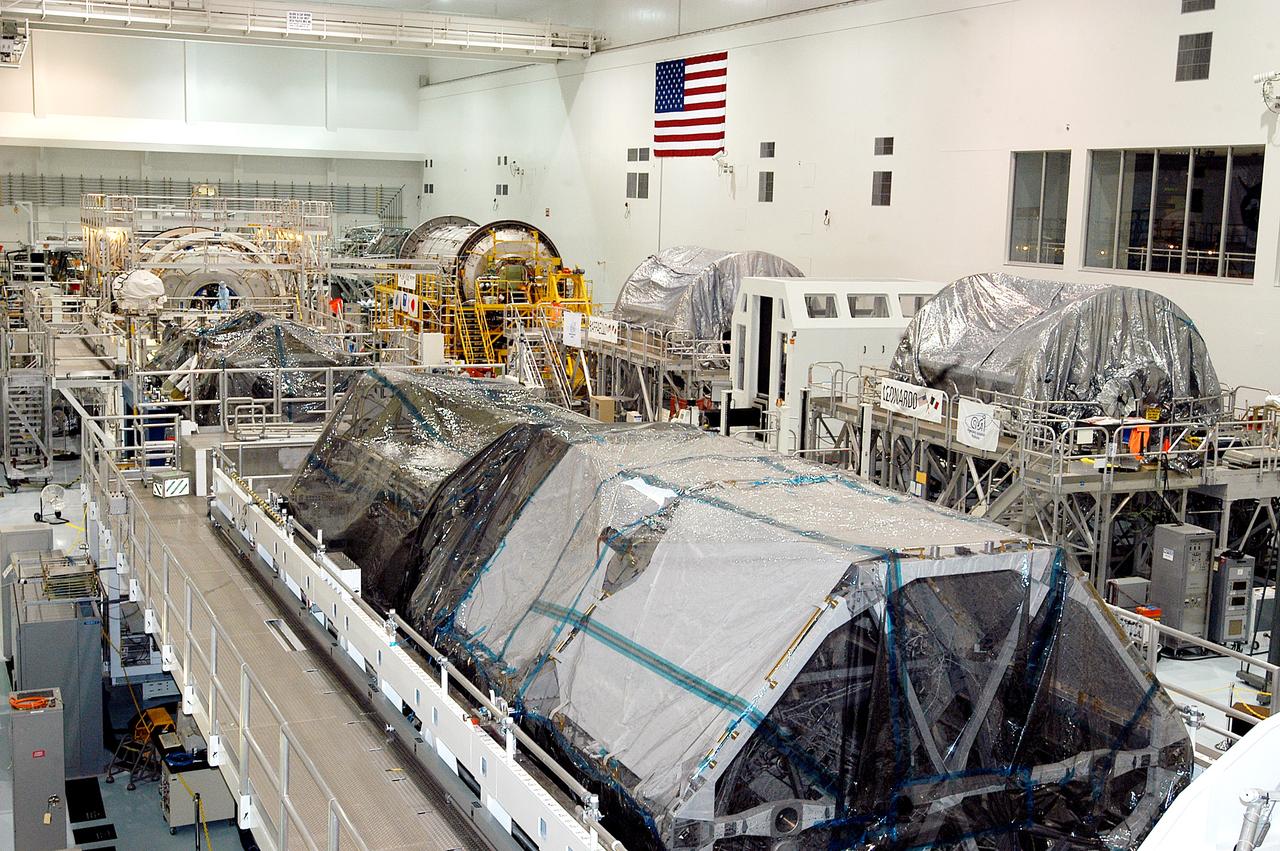
KENNEDY SPACE CENTER, FLA. -  Various elements intended for the International Space Station are lined up in the Space Station Processing Facility.  The newest to arrive at KSC are in the rear: at left, the U.S. Node 2, and next to it at right, the Japanese Experiment Module (JEM).  The two elements are undergoing a Multi-Element Integrated Test (MEIT).   Node 2 attaches to the end of the U.S. Lab on the ISS and provides attach locations for the Japanese laboratory, European laboratory, the Centrifuge Accommodation Module and, eventually, Multipurpose Logistics Modules. It will provide the primary docking location for the Shuttle when a pressurized mating adapter is attached to Node 2.  Installation of the module will complete the U.S. Core of the ISS.   Developed by the National Space Development Agency of Japan (NASDA), the JEM is Japan's primary contribution to the Station. It will enhance the unique research capabilities of the orbiting complex by providing an additional environment for astronauts to conduct science experiments.

KENNEDY SPACE CENTER, FLA. - Various elements intended for the International Space Station are lined up in the Space Station Processing Facility. The newest to arrive at KSC are in the rear: at left, the U.S. Node 2, and next to it at right, the Japanese Experiment Module (JEM). The two elements are undergoing a Multi-Element Integrated Test (MEIT). Node 2 attaches to the end of the U.S. Lab on the ISS and provides attach locations for the Japanese laboratory, European laboratory, the Centrifuge Accommodation Module and, eventually, Multipurpose Logistics Modules. It will provide the primary docking location for the Shuttle when a pressurized mating adapter is attached to Node 2. Installation of the module will complete the U.S. Core of the ISS. Developed by the National Space Development Agency of Japan (NASDA), the JEM is Japan's primary contribution to the Station. It will enhance the unique research capabilities of the orbiting complex by providing an additional environment for astronauts to conduct science experiments.

Open
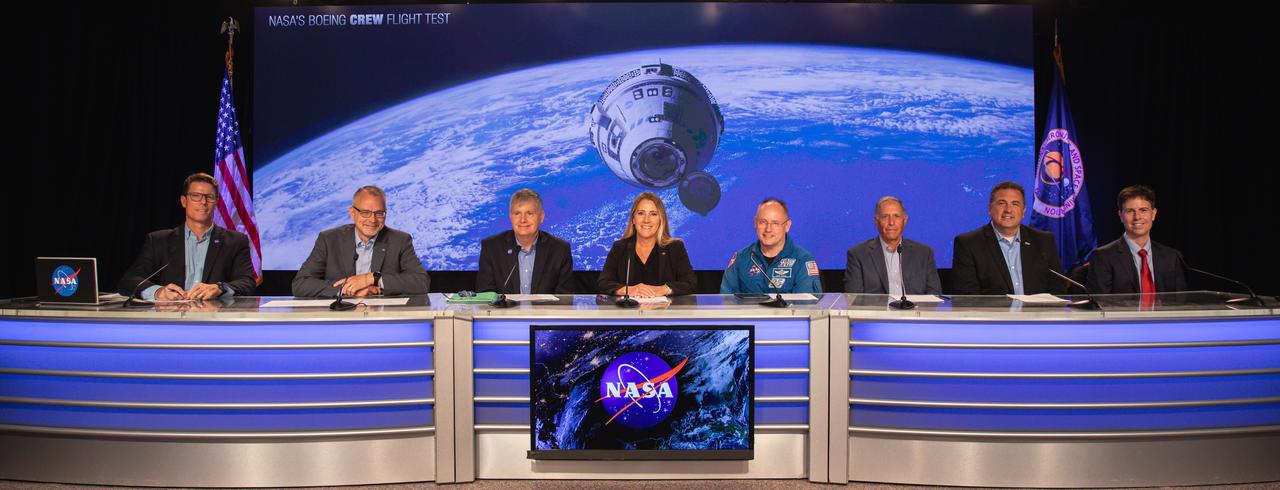
NASA’s Boeing Crew Flight Test Prelaunch News Conference

NASA’s Boeing Crew Flight Test Prelaunch News Conference

Open
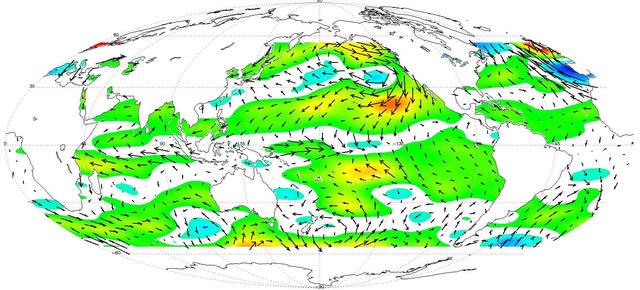
NASA RapidScat Observes El Nino Blowing in the Winds

NASA RapidScat Observes El Nino Blowing in the Winds

Open
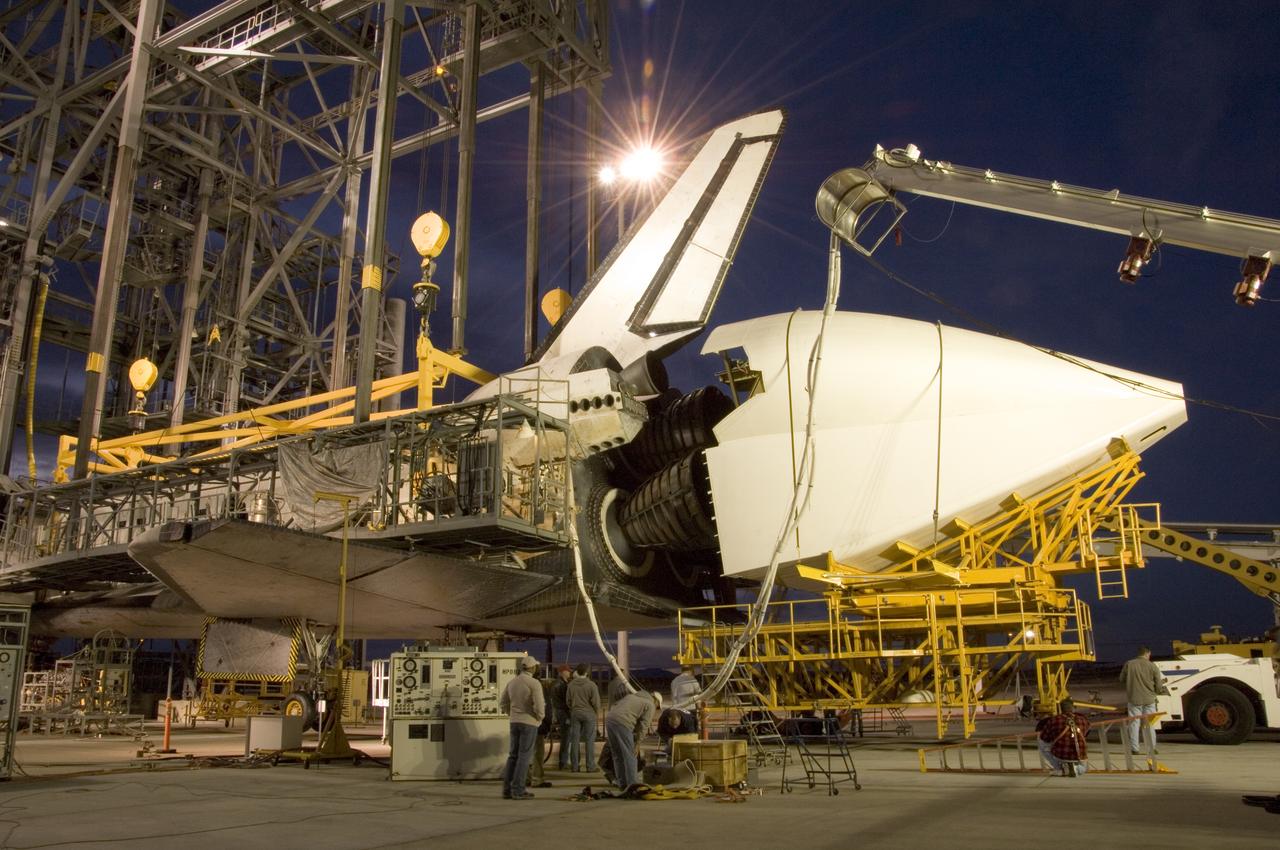
NASA technicians position the aerodynamic tailcone around the engine nozzles of the Space Shuttle Endeavour in preparation for its ferry back to KSC in Florida

NASA technicians position the aerodynamic tailcone around the engine nozzles of the Space Shuttle Endeavour in preparation for its ferry back to KSC in Florida

Open
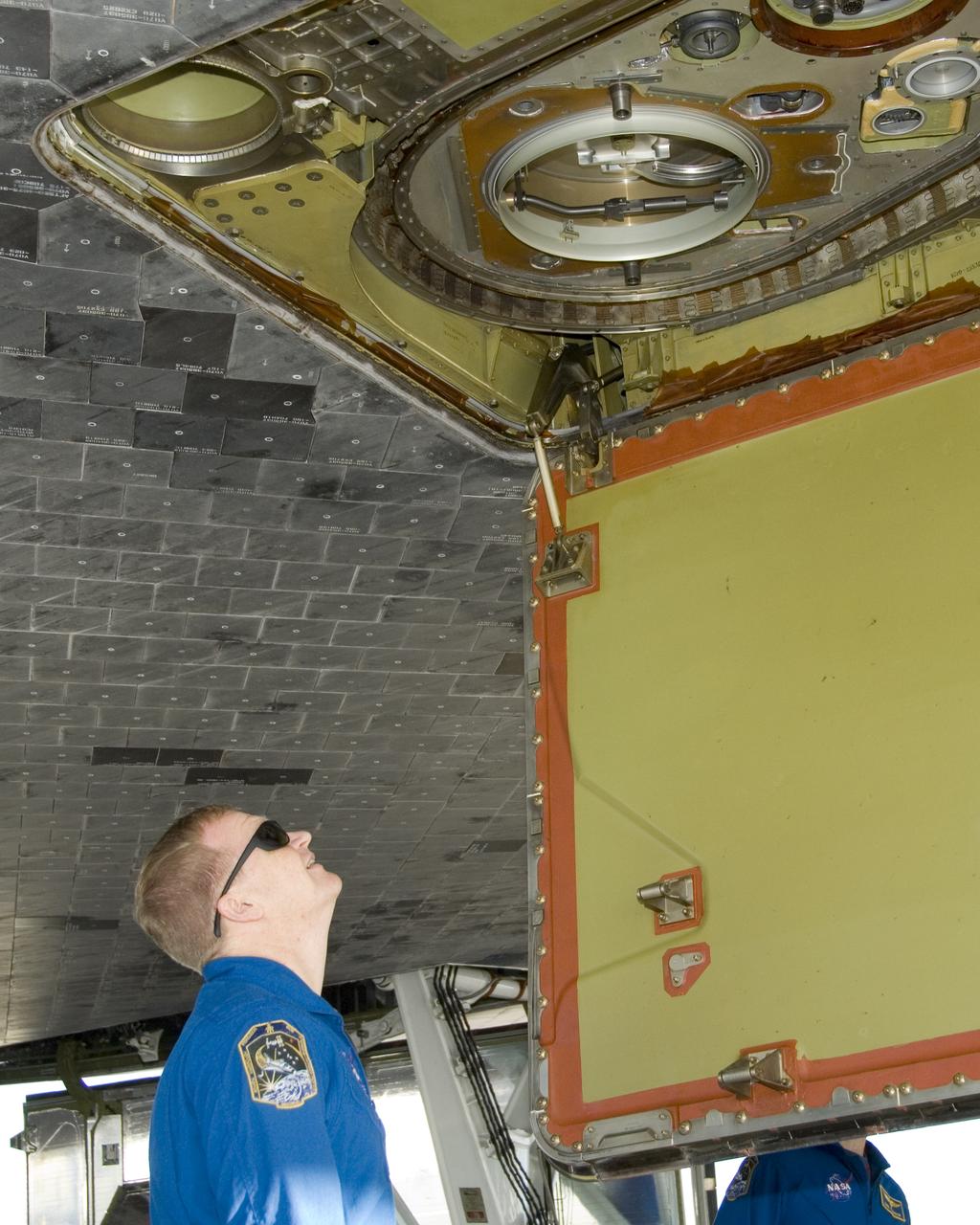
STS-126 pilot Eric Boe inspects the liquid oxygen line connection on the belly of Space Shuttle Endeavour following landing at Edwards Air Force Base Sunday

STS-126 pilot Eric Boe inspects the liquid oxygen line connection on the belly of Space Shuttle Endeavour following landing at Edwards Air Force Base Sunday

Open
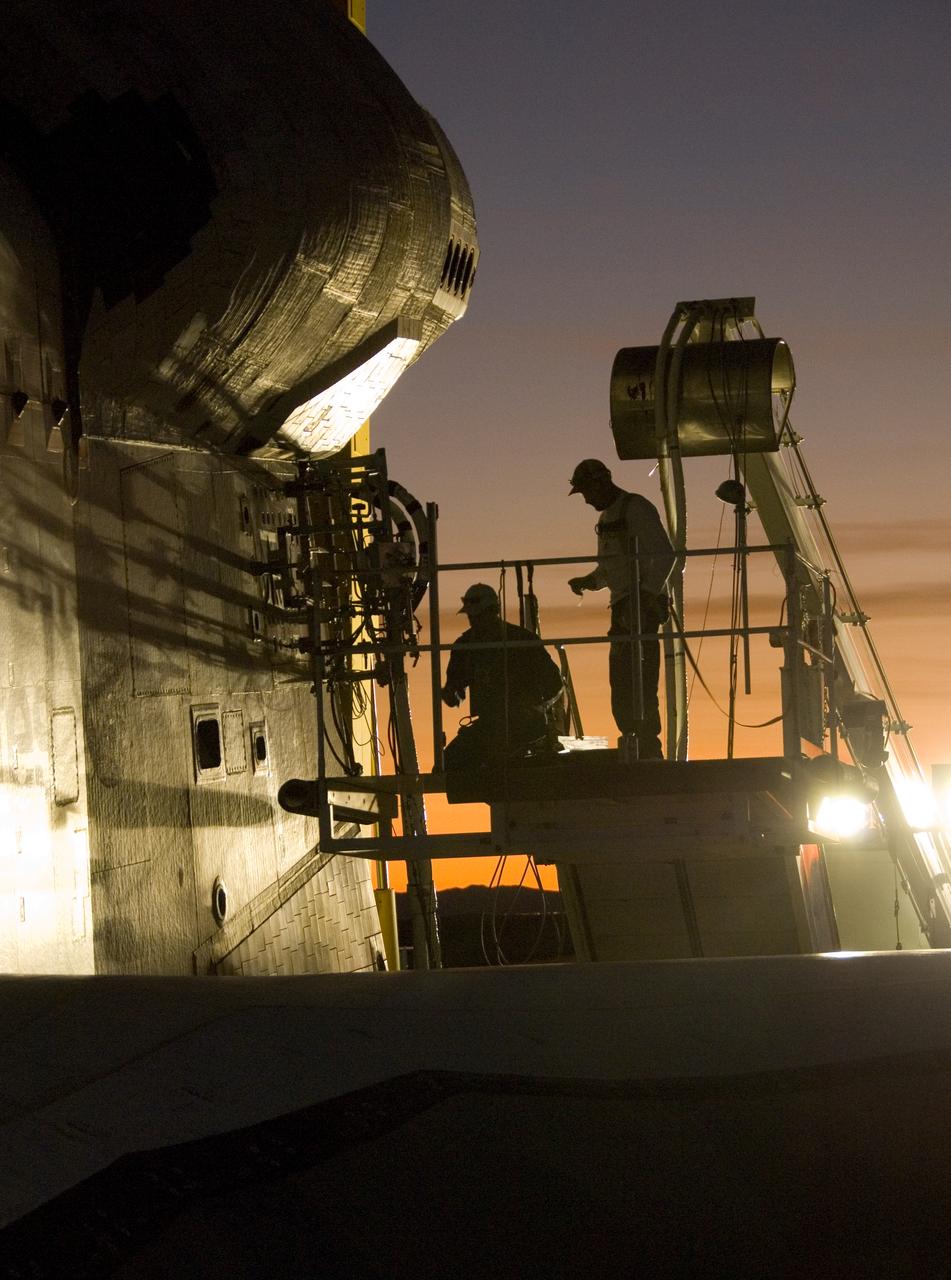
As dusk settles over Edwards Air Force Base, NASA technicians hook up various ground-support systems before shuttle Endeavour is towed off the landing runway

As dusk settles over Edwards Air Force Base, NASA technicians hook up various ground-support systems before shuttle Endeavour is towed off the landing runway

Open
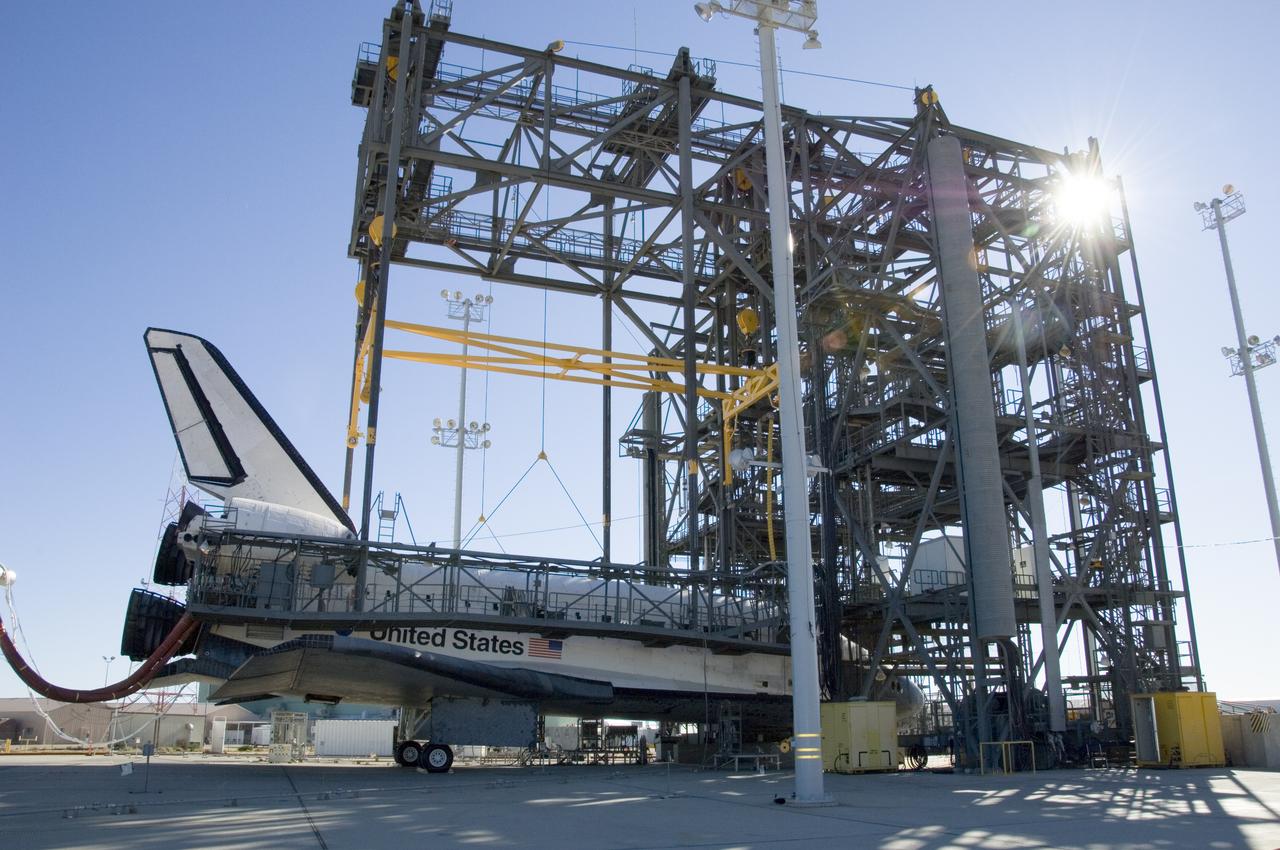
The Space Shuttle Endeavour is nestled in the Mate-DeMate Device at NASA DFRC as turnaround operations get underway for its ferry flight back to KSC in Florida

The Space Shuttle Endeavour is nestled in the Mate-DeMate Device at NASA DFRC as turnaround operations get underway for its ferry flight back to KSC in Florida

Open
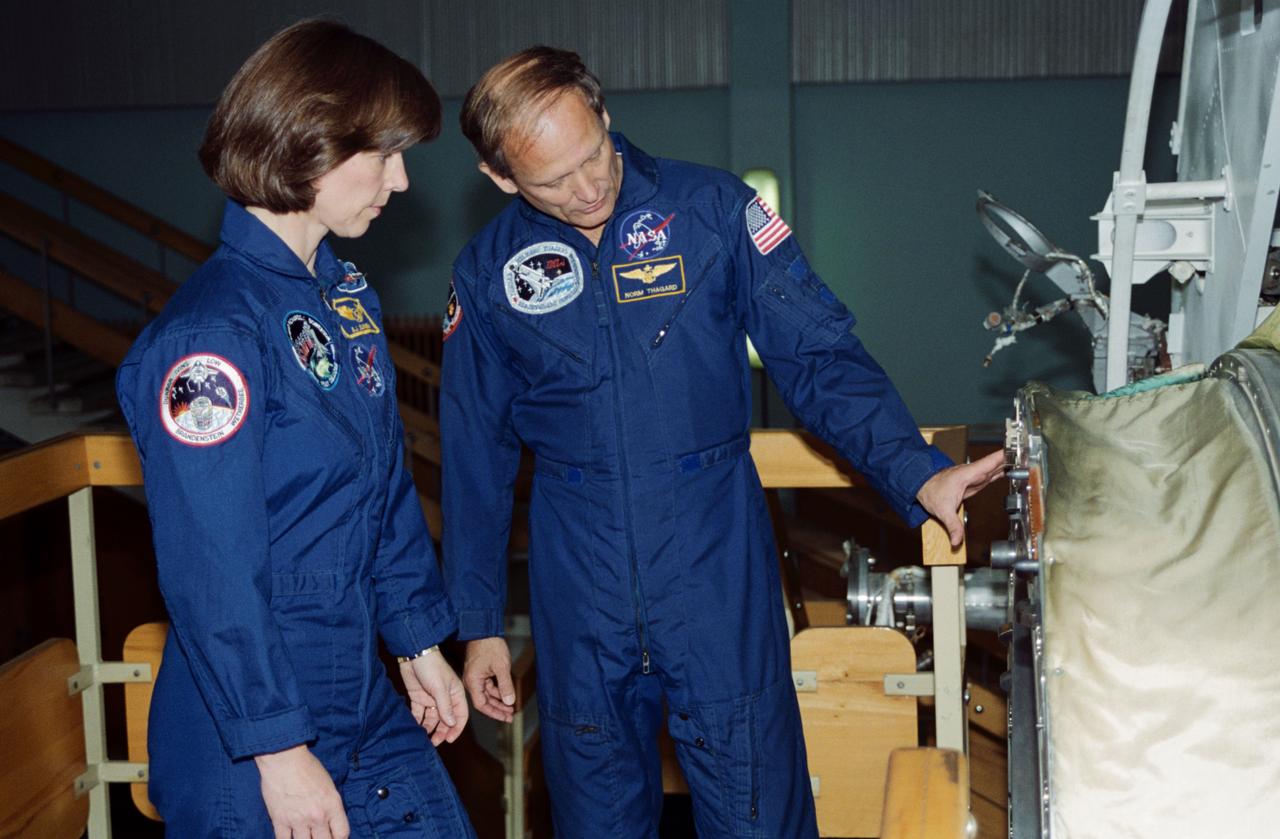
STS-71 astronauts training in Russia

STS-71 astronauts training in Russia

Open
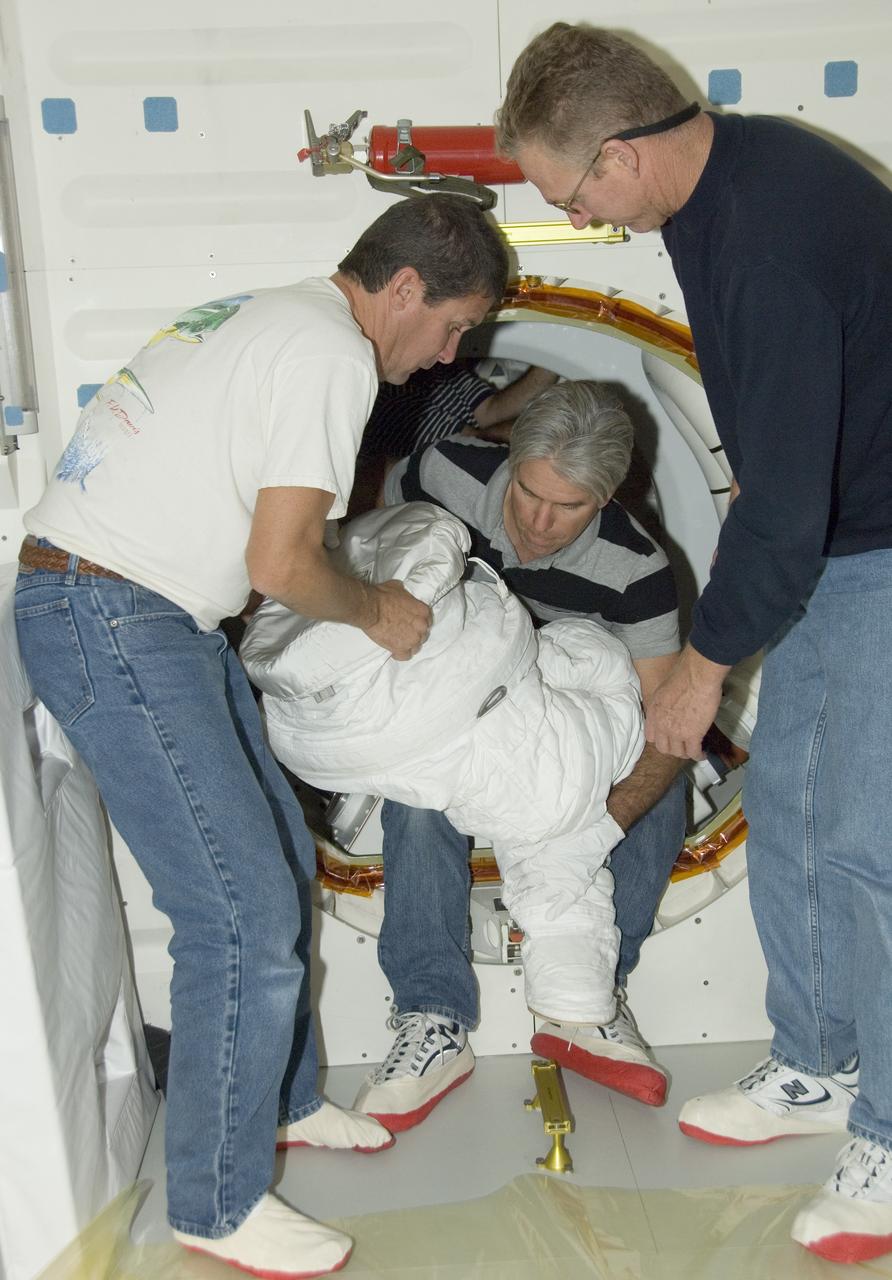
Technicians Troy Mann, Mark Shimei and Jim Smodell remove the lower portion of an Extravehicular Mobility Unit (EMU) suit from Endeavour's airlock

Technicians Troy Mann, Mark Shimei and Jim Smodell remove the lower portion of an Extravehicular Mobility Unit (EMU) suit from Endeavour's airlock

Open
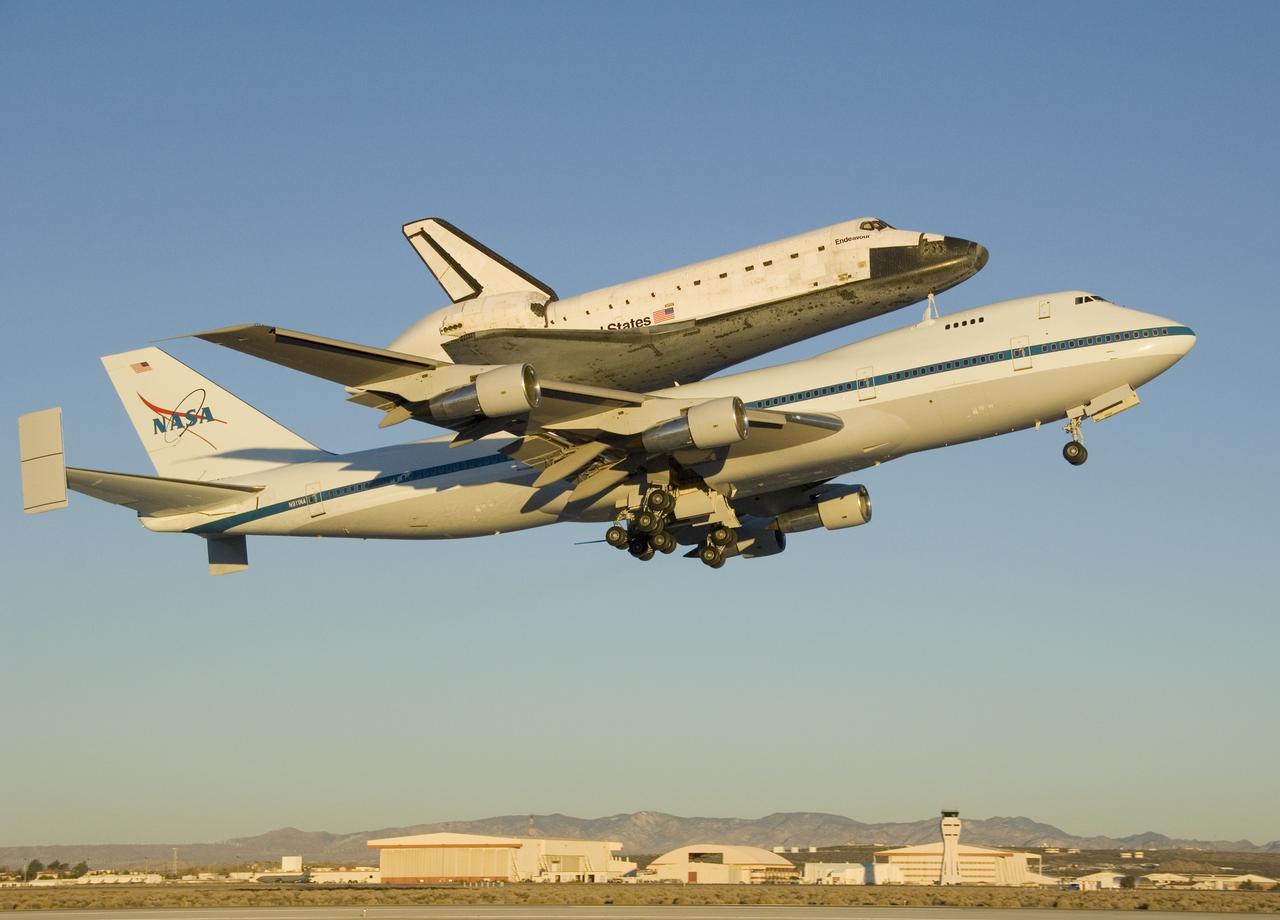
The modified 747 carrier aircraft carrying the Space Shuttle Endeavour soars aloft from Edwards AFB on the first leg of its ferry flight back to Florida

The modified 747 carrier aircraft carrying the Space Shuttle Endeavour soars aloft from Edwards AFB on the first leg of its ferry flight back to Florida

Open
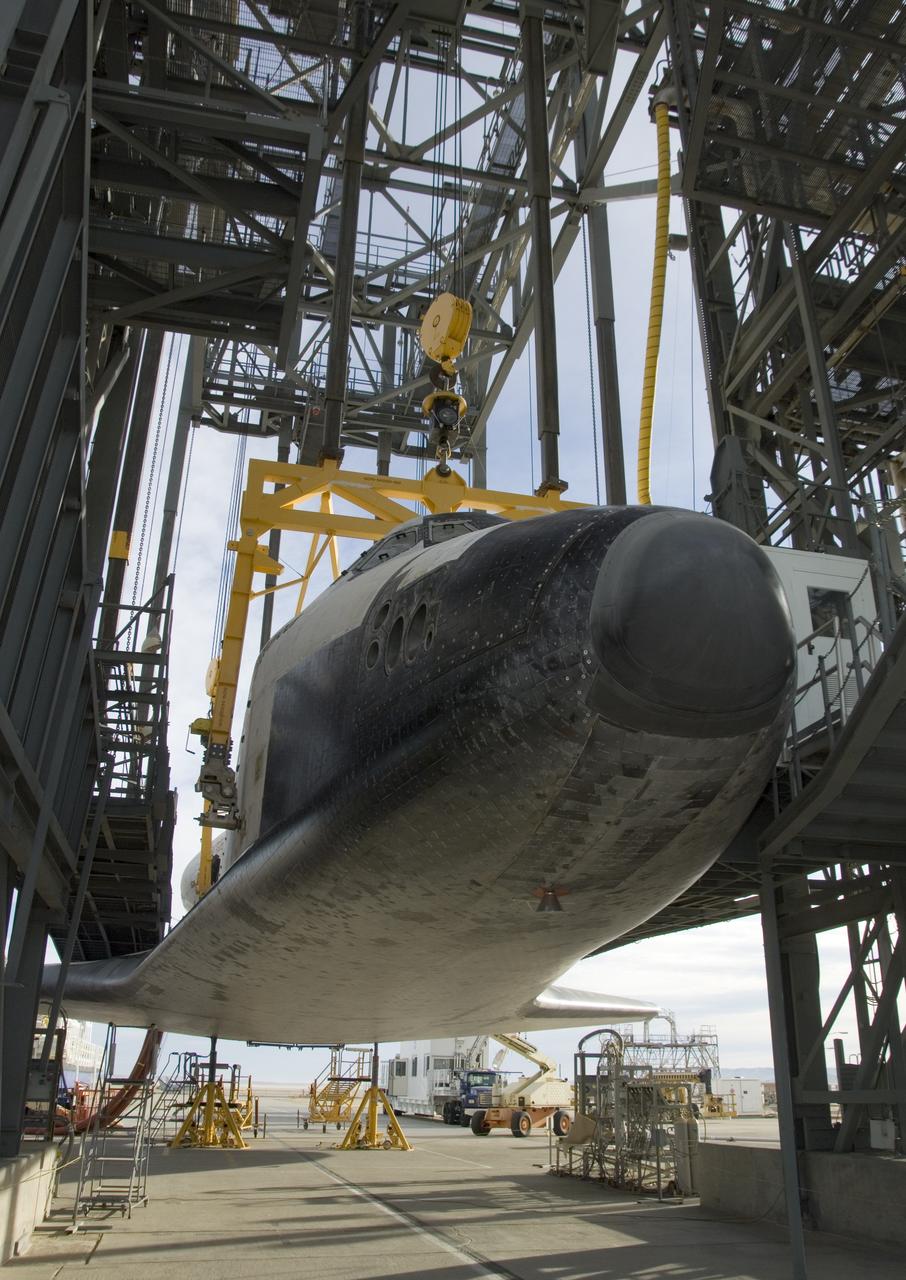
Endeavour is slowly hoisted aloft in the Mate-Demate gantry before being mounted atop its modified 747 carrier aircraft for a ferry flight back to Florida

Endeavour is slowly hoisted aloft in the Mate-Demate gantry before being mounted atop its modified 747 carrier aircraft for a ferry flight back to Florida

Open
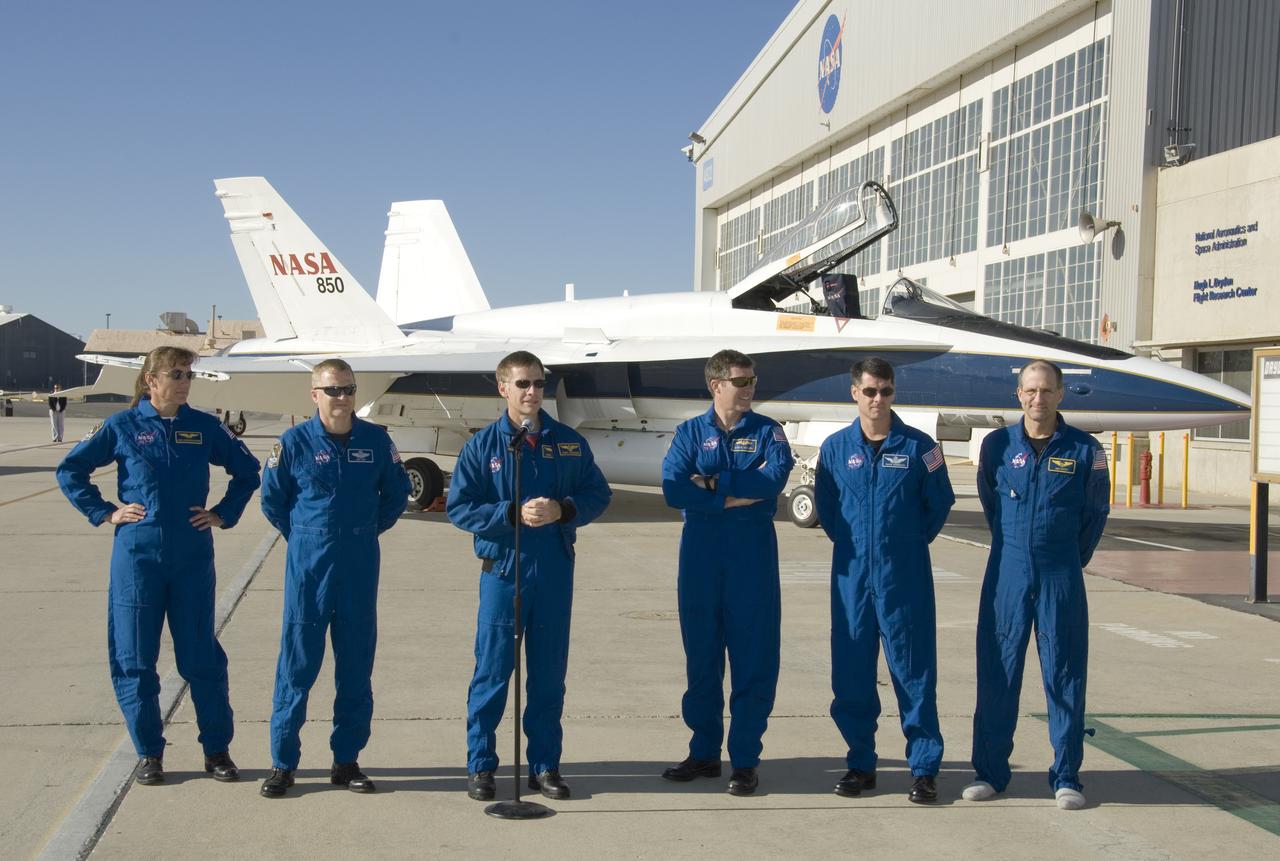
With a NASA F/A-18 providing a backdrop, STS-126 commander Chris Ferguson thanked NASA DFRC employees for their support of Endeavour's landing at Edwards AFB

With a NASA F/A-18 providing a backdrop, STS-126 commander Chris Ferguson thanked NASA DFRC employees for their support of Endeavour's landing at Edwards AFB

Open
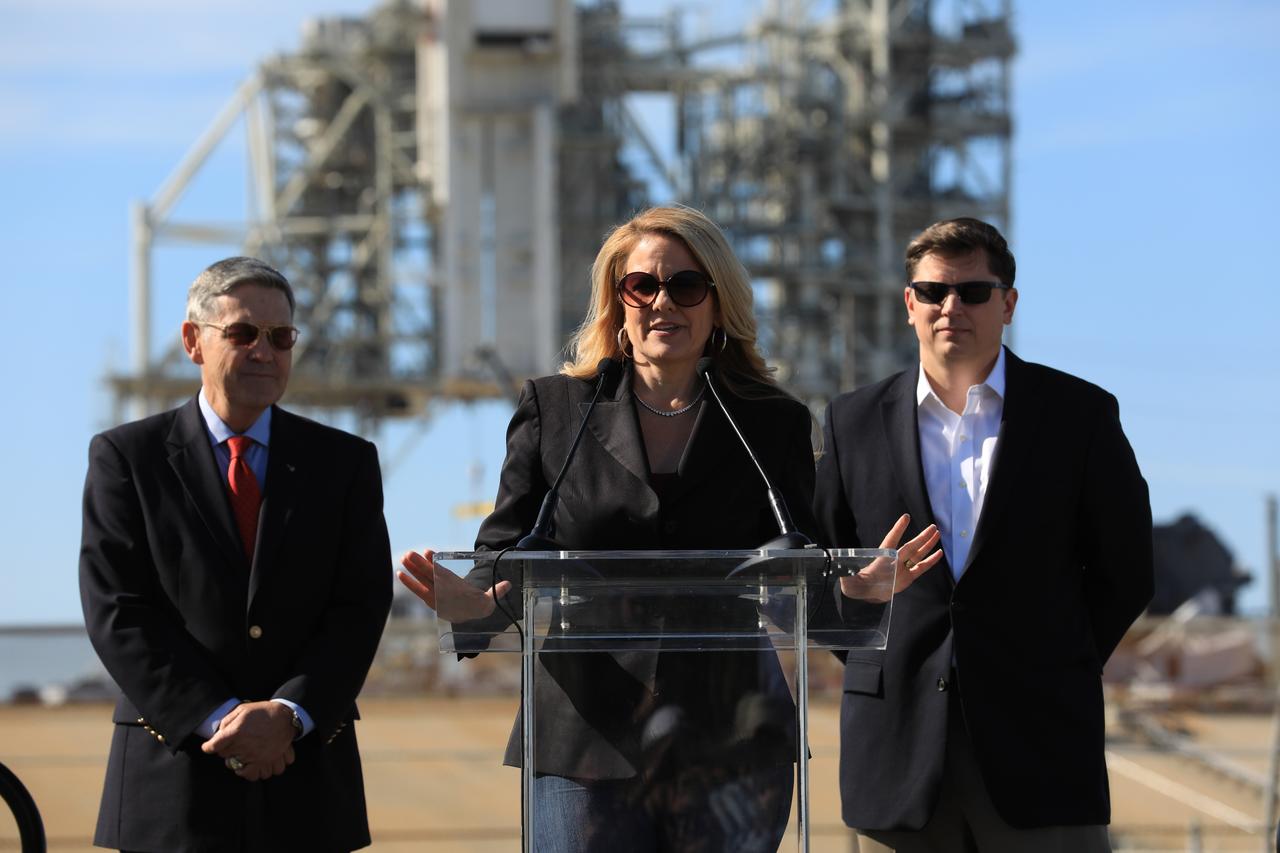
SpaceX Pad39A Event

SpaceX Pad39A Event

Open

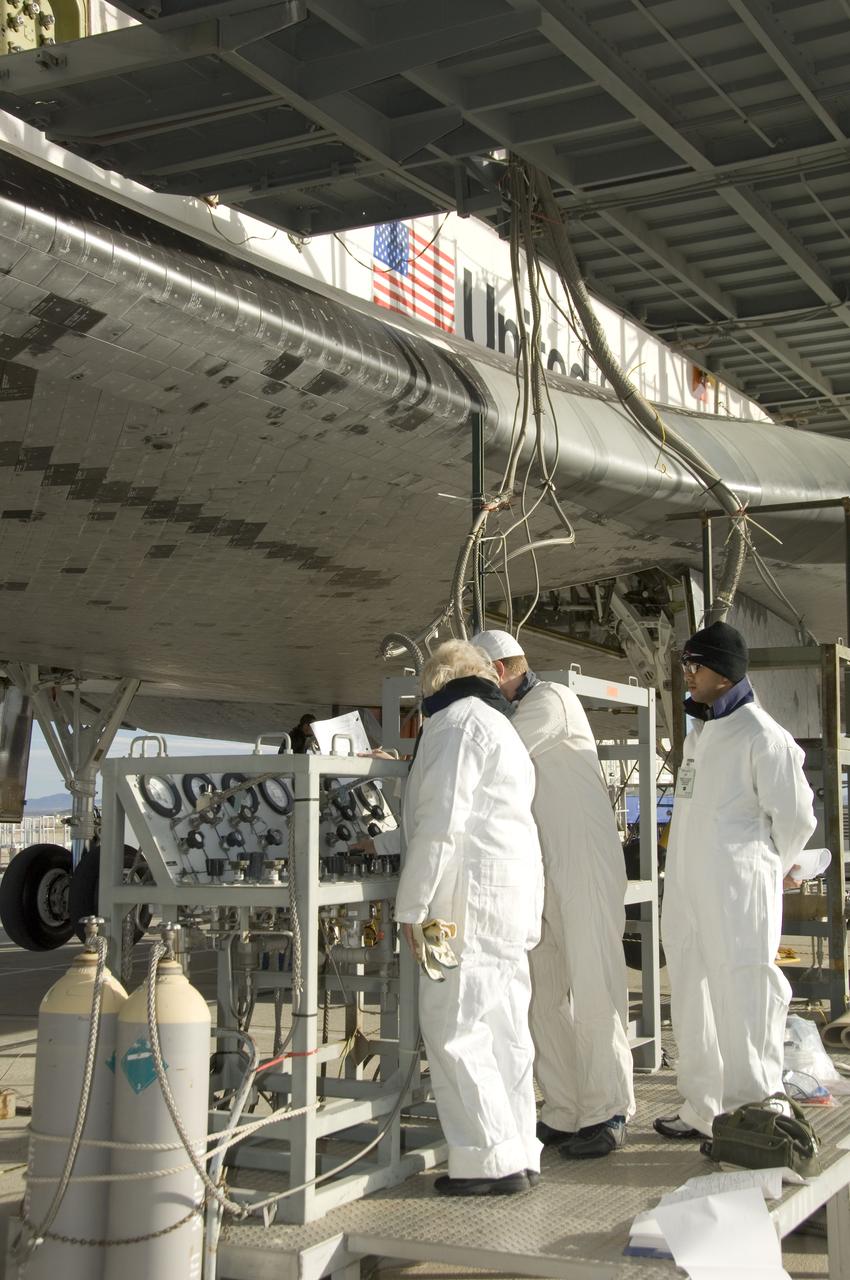
Technicians in protective coveralls check pressures of fluid systems during deservicing operations on Space Shuttle Endeavour after its landing at Edwards AFB

Technicians in protective coveralls check pressures of fluid systems during deservicing operations on Space Shuttle Endeavour after its landing at Edwards AFB

Open
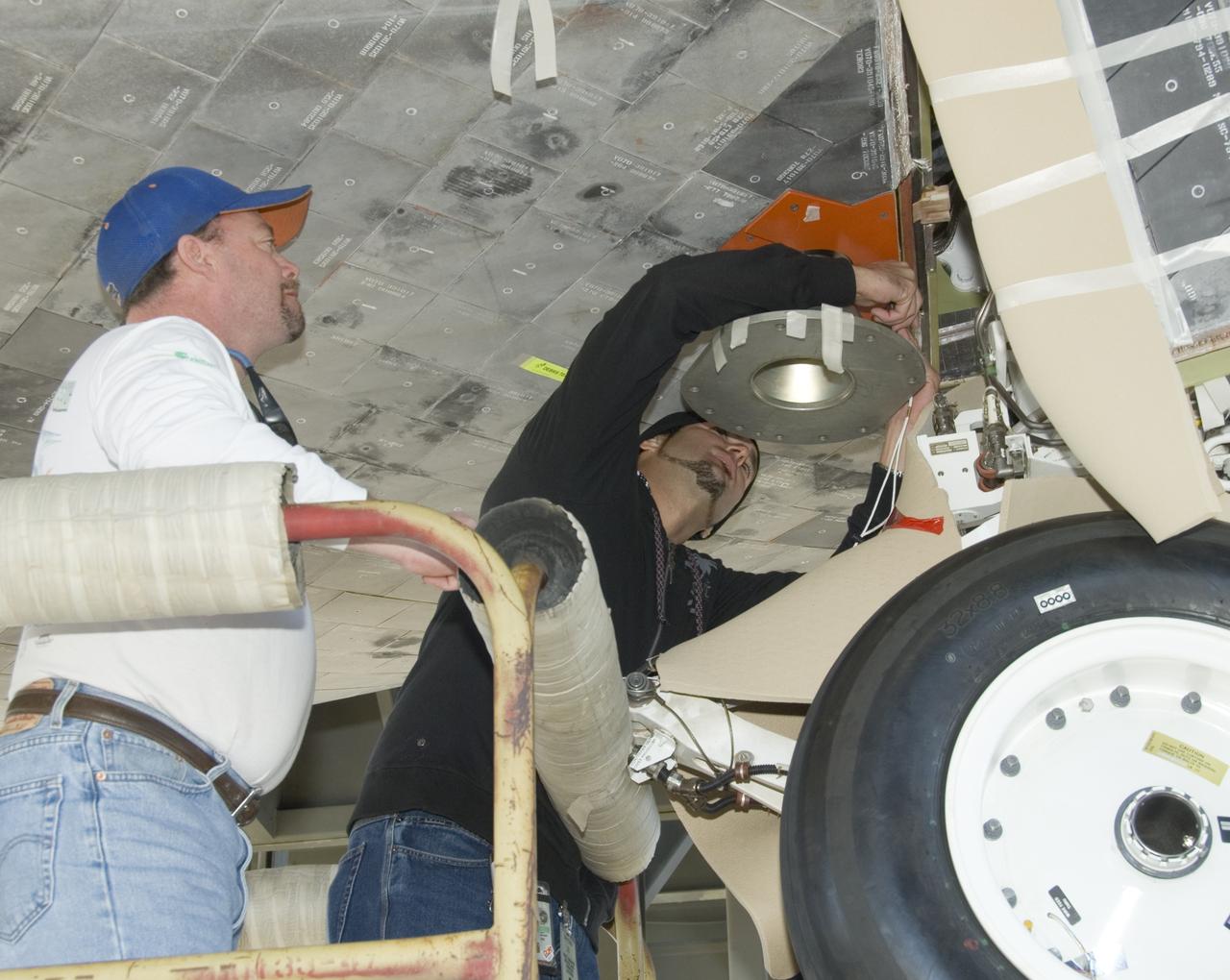
Mark Burton and Russell Wazniak attach the forward mount fixture to Shuttle Endeavour for mounting the orbiter to the 747 Shuttle Carrier Aircraft

Mark Burton and Russell Wazniak attach the forward mount fixture to Shuttle Endeavour for mounting the orbiter to the 747 Shuttle Carrier Aircraft

Open
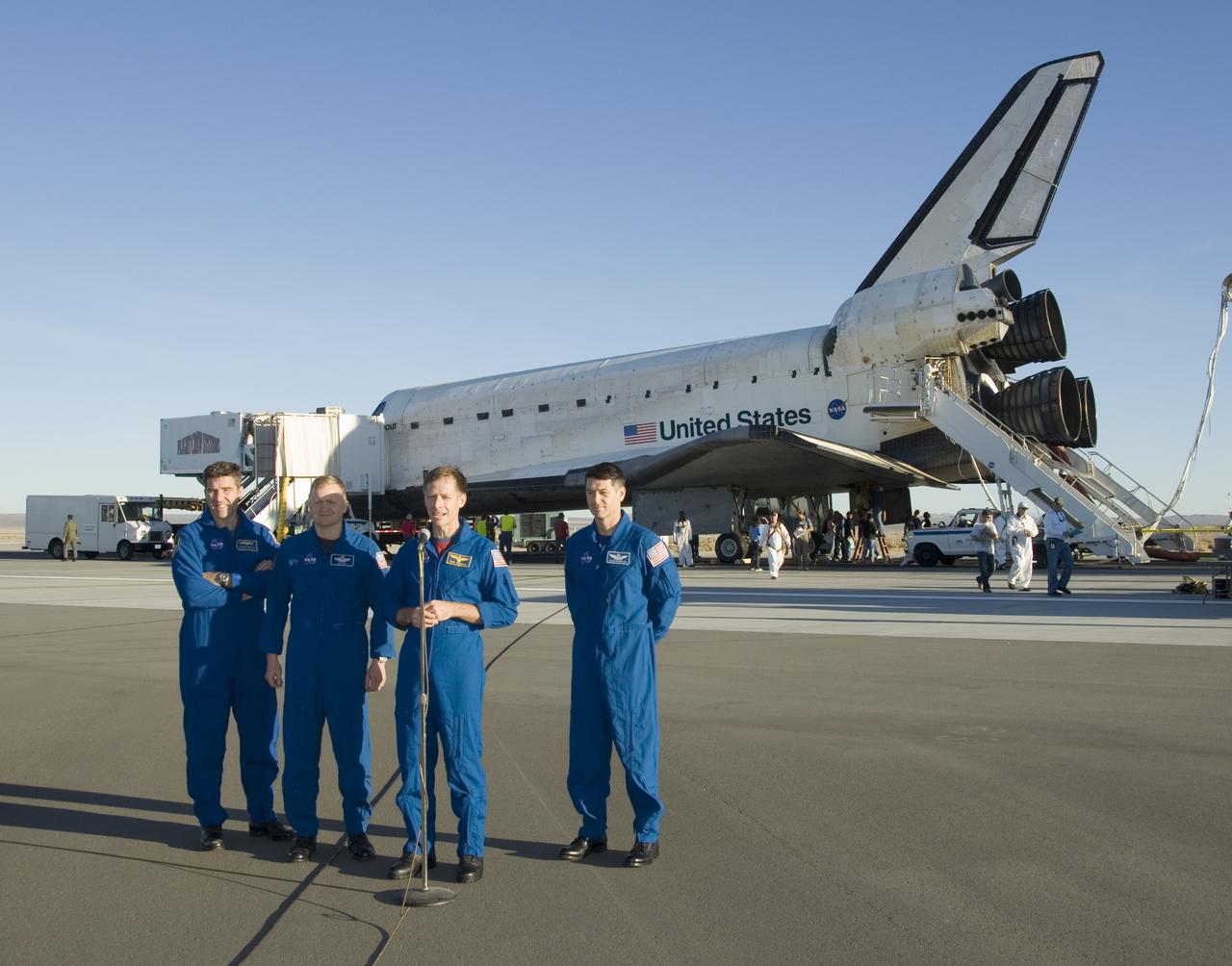
STS-126 commander Chris Ferguson, flanked by crewman Stephen Bowen, Eric Boe and Robert Kimbrough, offers comments on the mission after landing at Edwards AFB

STS-126 commander Chris Ferguson, flanked by crewman Stephen Bowen, Eric Boe and Robert Kimbrough, offers comments on the mission after landing at Edwards AFB

Open
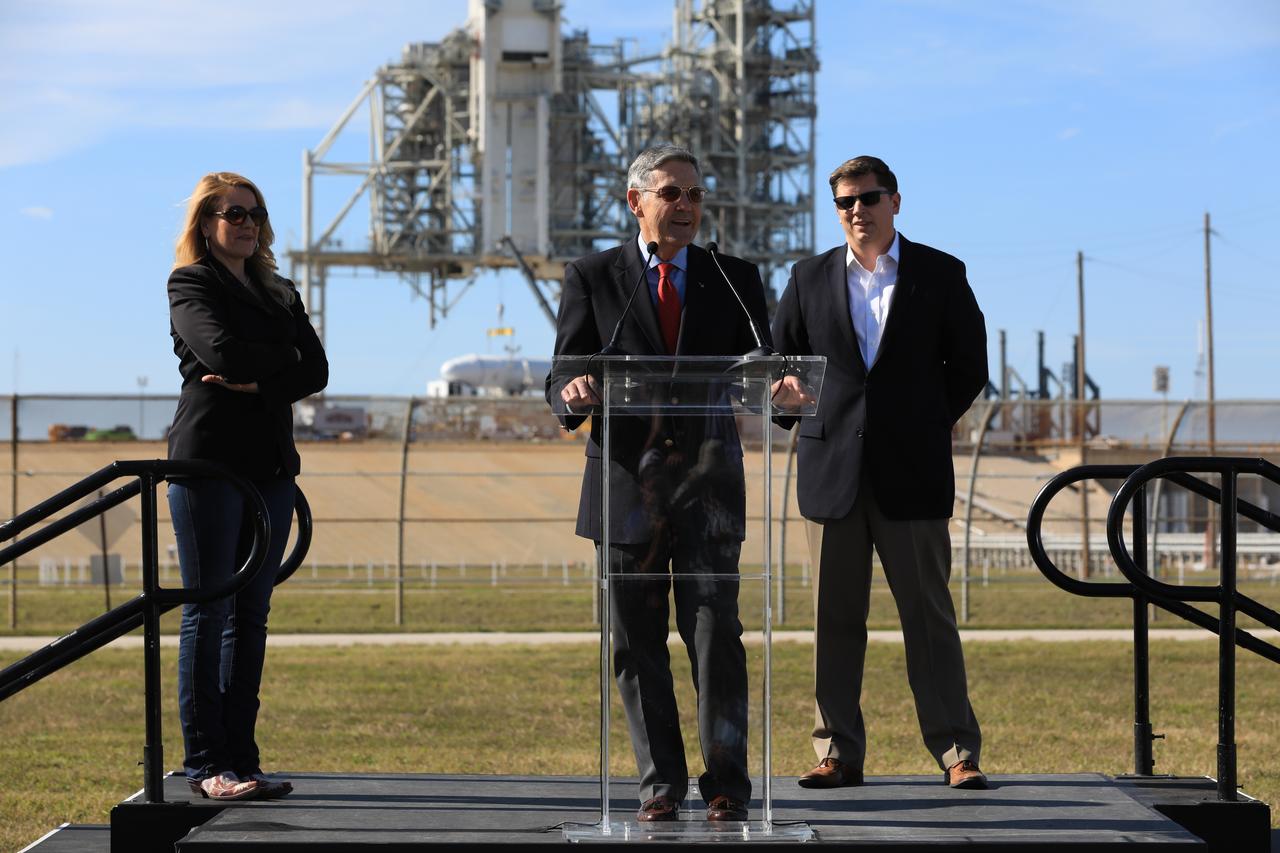
SpaceX Pad39A Event

SpaceX Pad39A Event

Open

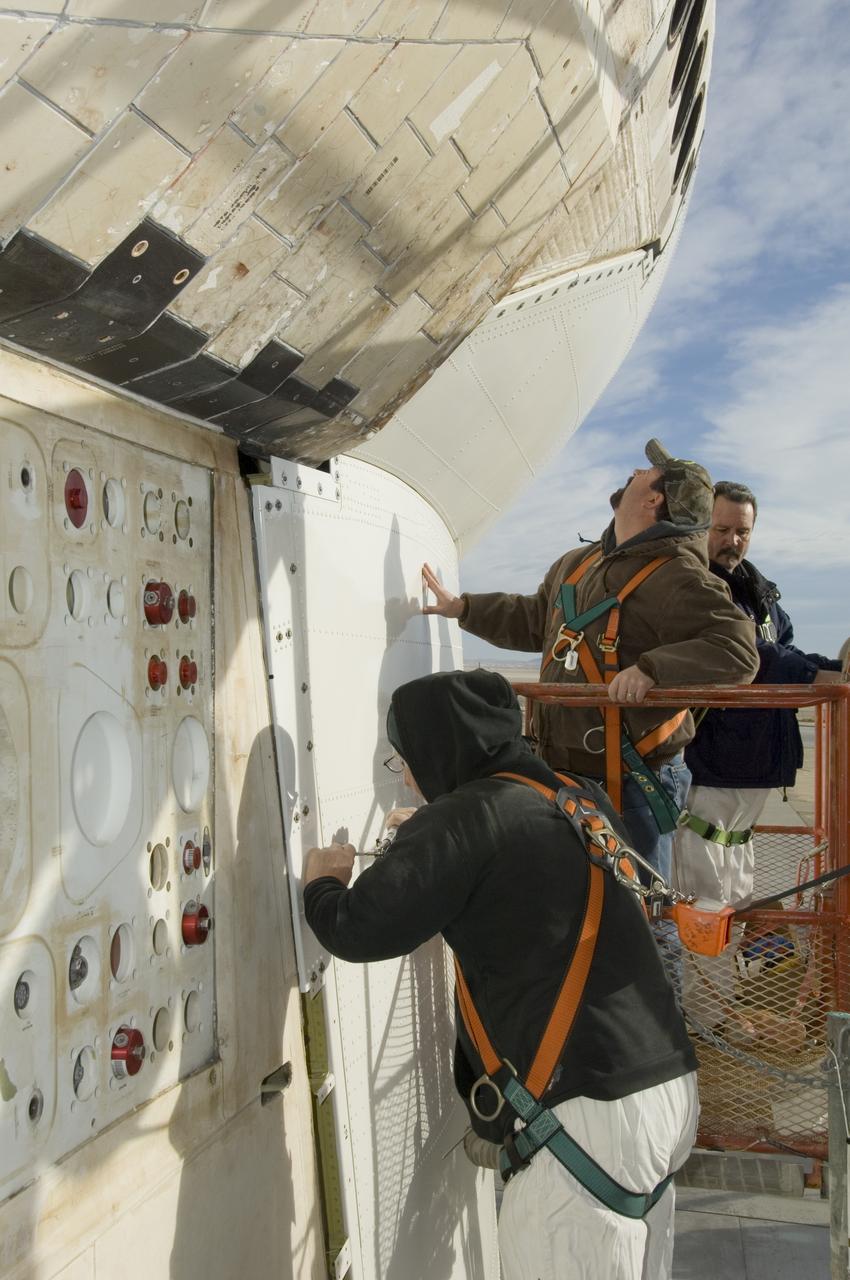
Technicians fasten down the flanges of the aerodynamic tail cone after installation on NASA's Space Shuttle Endeavour prior to its ferry flight back to Florida

Technicians fasten down the flanges of the aerodynamic tail cone after installation on NASA's Space Shuttle Endeavour prior to its ferry flight back to Florida

Open
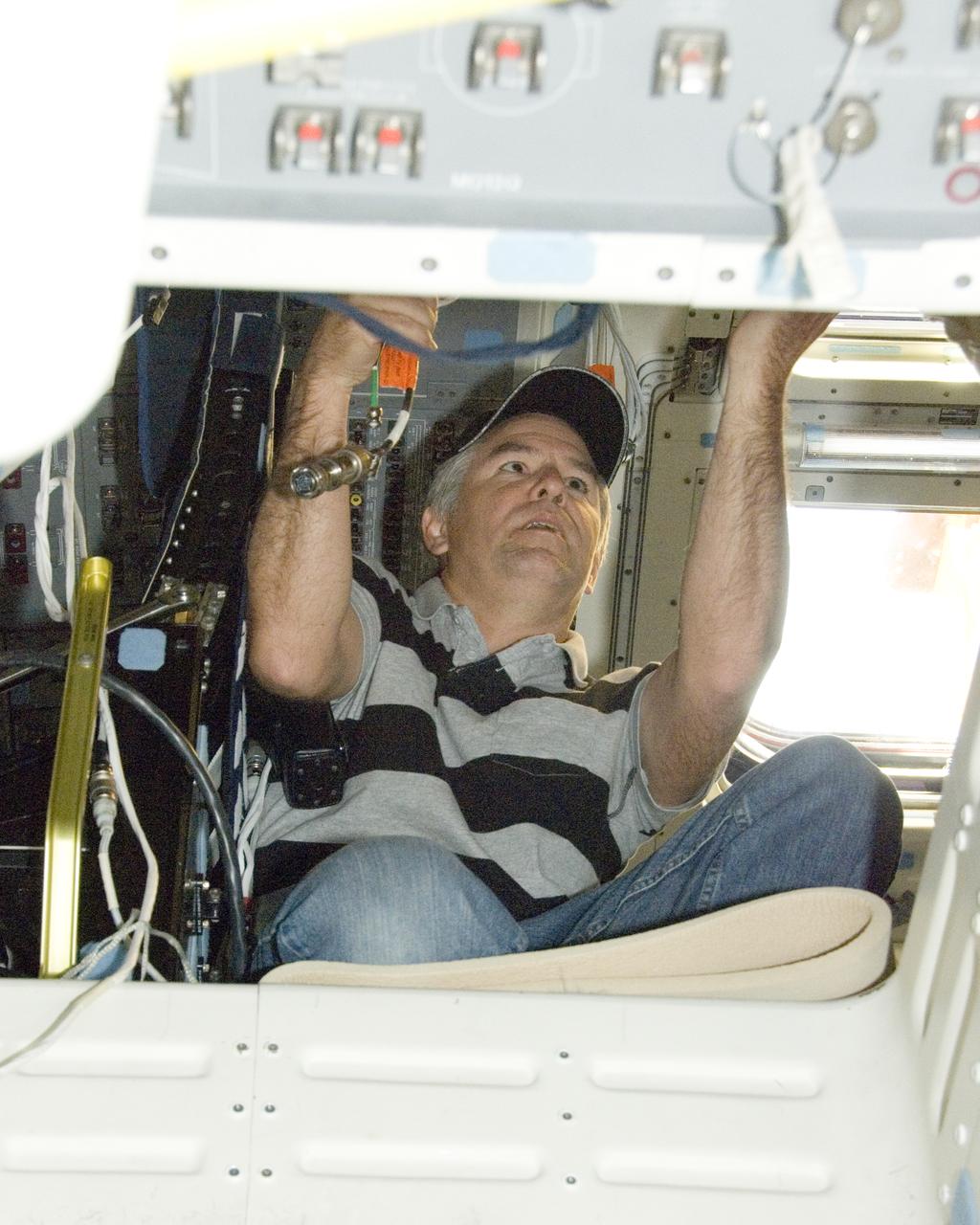
Technician Mark Shimei works inside Space Shuttle Endeavour's flight deck during deservicing operations at NASA Dryden following its landing on Nov. 30, 2008

Technician Mark Shimei works inside Space Shuttle Endeavour's flight deck during deservicing operations at NASA Dryden following its landing on Nov. 30, 2008

Open
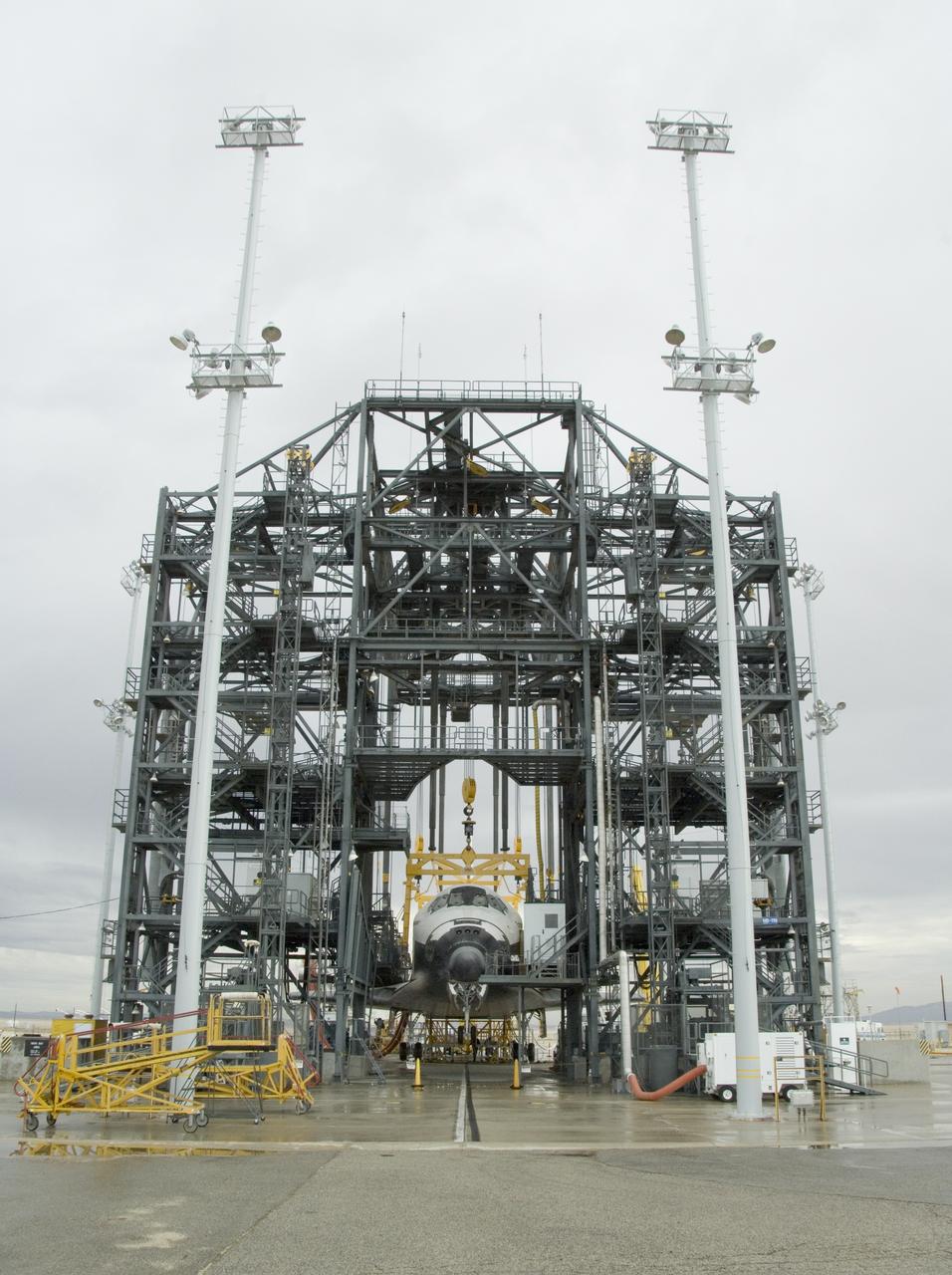
Under soggy skies on a Sunday morning, the Space Shuttle Endeavour is encased in the Mate-DeMate gantry during turnaround processing at NASA DFRC

Under soggy skies on a Sunday morning, the Space Shuttle Endeavour is encased in the Mate-DeMate gantry during turnaround processing at NASA DFRC

Open
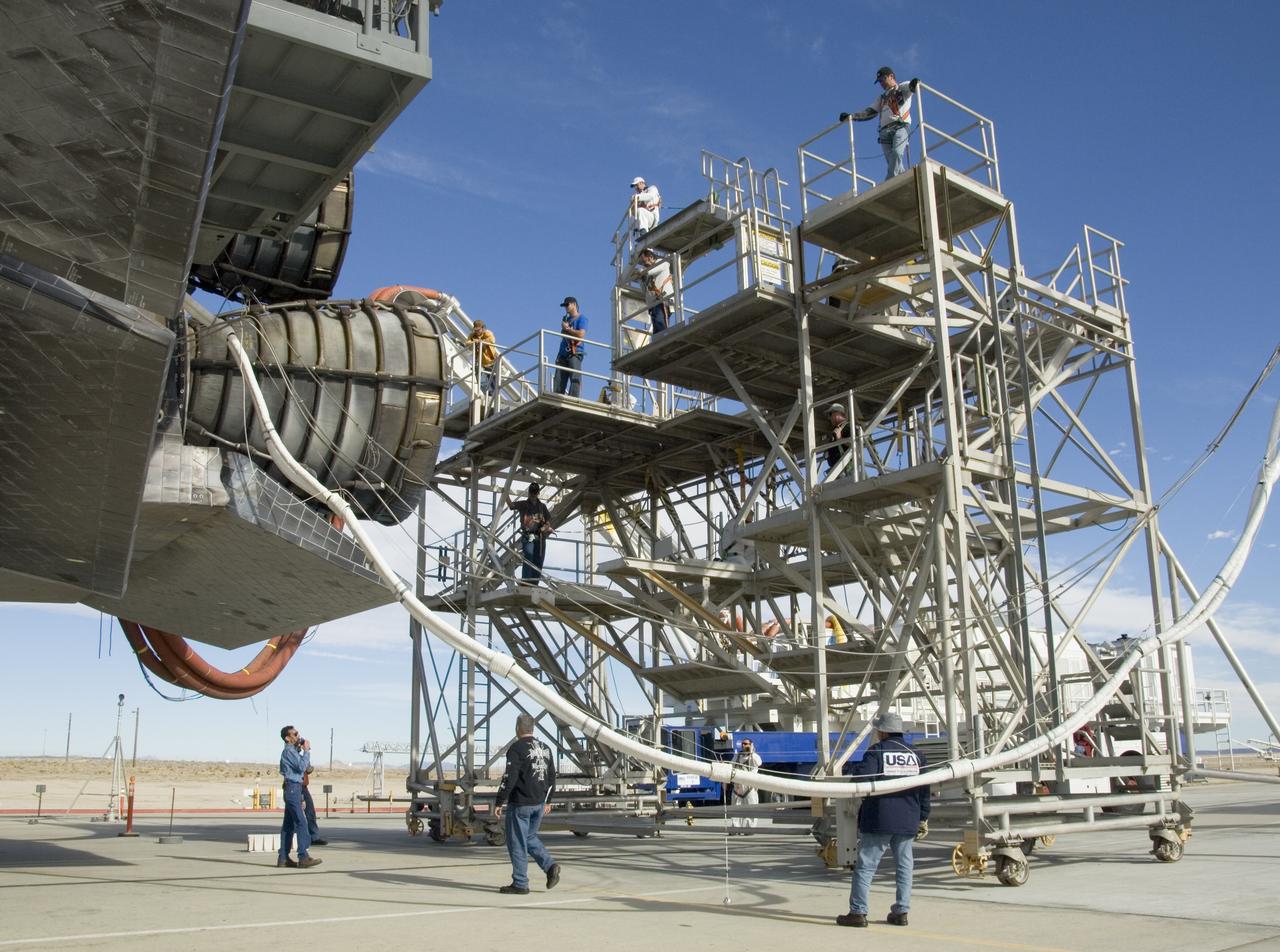
echnicians monitor the positioning of a workstand as it is moved into place around the main engines of the shuttle Endeavour during deservicing at NASA DFRC

echnicians monitor the positioning of a workstand as it is moved into place around the main engines of the shuttle Endeavour during deservicing at NASA DFRC

Open